Nylon, an omnipresent material in our daily lives, is born from fossil fuels through energy-intensive chemical processes that leave a significant environmental footprint. Its versatility and durability drive its widespread use, yet behind this convenience lies a hidden cost: habitat destruction, greenhouse gas emissions, and long-lasting pollution. Microplastics shed during washing threaten marine ecosystems and human health, while discarded nylon persists in landfills for centuries, fragmenting into microplastics that infiltrate our food chain. As global awareness grows, the stark contrast between nylon’s benefits and its ecological toll becomes undeniable. Could innovative solutions like bio-based nylons and recycling help ease this burden? The challenge lies in balancing our dependence on this synthetic fiber with urgent environmental imperatives—prompting us to question whether convenience is worth the cost to our planet’s future.

Unveiling Nylon: The Hidden Environmental Costs of Our Everyday Material
Nylon is one of those materials that quietly surrounds us every day, yet we rarely stop to think about what it truly is or where it originates. From the clothes we wear and the carpets under our feet to the gear we use in gyms or outdoors, nylon’s versatility and durability make it a go-to choice across countless industries. Its presence is so woven into our lives that it often feels invisible—just part of the background of modern living. But behind this convenience lies a complex web of environmental issues that deserve our attention.
Developed in the 1930s, nylon quickly became a symbol of textile innovation. Its strength, elasticity, and resistance to wear made it a popular substitute for natural fibers like silk and wool, especially during the boom of the modern textile industry. Over the decades, nylon’s use expanded well beyond clothing, finding its way into ropes, fishing lines, industrial fabrics, and even components in cars and electronics. Today, it’s difficult to imagine a world without it, which raises important questions about its hidden costs.
Despite its many benefits, nylon’s environmental footprint is significant and multifaceted. Its production relies heavily on fossil fuels—oil and natural gas—making it inherently tied to non-renewable resources. Extracting these resources involves energy-intensive processes that harm ecosystems, result in habitat destruction, and release greenhouse gases. Furthermore, the chemical reactions used to transform raw hydrocarbons into nylon fibers are complex and often involve pollutants that contaminate air and water, adding to the environmental toll.
Once manufactured, nylon products don’t simply vanish when discarded. Their durability means they can linger in landfills for hundreds of years, slowly breaking down into smaller fragments. These tiny pieces, or microplastics, shed during washing are nearly impossible to filter out and pose a serious threat to marine life. Marine animals ingest these particles, which then find their way into the food chain, ultimately impacting ecosystems and human health alike. This ongoing pollution highlights the hidden costs of nylon’s long-lasting presence.
The reliance on fossil fuels for nylon production also perpetuates a cycle of environmental harm. The extraction and processing of oil and gas release pollutants, including potent greenhouse gases like methane, which accelerate climate change. The transportation of raw materials, chemical manufacturing, and fiber production all consume large amounts of energy, further contributing to global carbon emissions. In this way, nylon’s production is directly linked to some of the most urgent environmental challenges we face today.
As awareness of sustainability grows, the environmental costs of nylon become even more apparent. While its resilience and ease of manufacturing have made it a staple in mass production, these advantages come with a price. Microplastics shed during washing, combined with the slow decomposition of discarded nylon, mean its impact persists long after initial use. Recognizing these issues can motivate us to pursue alternatives and support efforts aimed at reducing nylon’s ecological footprint, leading us toward a more sustainable future.
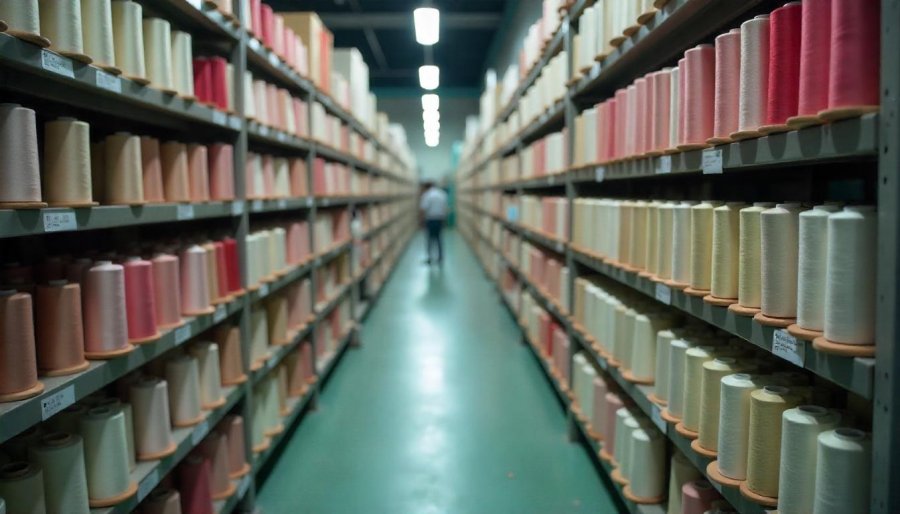
From Fossil Fuels to Fibers: The Complex Chemistry and Production of Nylon
Nylon’s origins are deeply intertwined with the extraction of fossil fuels—primarily oil and natural gas—that serve as its raw materials. These hydrocarbons are obtained through complex drilling operations that often have significant environmental consequences, including habitat disruption, soil degradation, and the risk of spills or leaks. The extraction process releases greenhouse gases like methane and carbon dioxide, contributing to climate change and underscoring how closely nylon’s supply chain depends on non-renewable resources. The environmental costs begin long before the fiber is even produced, highlighting the hidden footprint of this synthetic material.
Once extracted, hydrocarbons undergo a series of chemical transformations to create nylon. At the heart of this process is polymerization, where small molecules called monomers are linked into long, repeating chains that form the basis of nylon fibers. For nylon 6,6—the most common type—this involves combining hexamethylenediamine and adipic acid, both derived from petrochemicals. These chemicals are produced separately through energy-intensive processes and then reacted under carefully controlled conditions involving heat, catalysts, and pressure. The resulting long-chain polymers are strong, elastic, and resistant to wear—traits that make nylon so versatile—but the entire process is highly dependent on energy input and chemical precision.
Producing nylon isn’t just about mixing chemicals; it’s a highly controlled chemical reaction that transforms fossil fuel derivatives into durable fibers. The process begins with breaking down hydrocarbons into smaller, reactive molecules, which are then recombined into long, stable polymers. High temperatures and specialized catalysts are essential to facilitate these reactions efficiently and consistently. Once formed, the molten nylon is extruded through tiny holes called spinnerets, creating fine filaments that are cooled, stretched, and spun into yarns suitable for textiles or industrial applications. This method allows for mass production at a global scale, but it also emphasizes the significant energy and resource demands embedded in nylon manufacturing.
From an environmental standpoint, every stage of nylon’s production contributes to pollution. During resource extraction, ecosystems face habitat loss, and water sources risk contamination from spills or runoff. The chemical synthesis itself releases greenhouse gases like nitrous oxide—a potent contributor to climate change—and emits other pollutants that can deteriorate air and water quality. The energy required for polymerization and fiber extrusion primarily relies on burning fossil fuels, further amplifying carbon emissions. These interconnected activities create a substantial environmental footprint, making nylon production a notable driver of ecological degradation worldwide.
Despite its efficiency and widespread use, reliance on fossil fuels remains a core issue. Oil and natural gas reserves are finite, and continued extraction and consumption threaten future availability. The chemical reactions involved in nylon production not only consume large amounts of energy but also generate byproducts that can be harmful if not properly managed. Emissions like nitrous oxide and other greenhouse gases accelerate climate change, while pollutants released during extraction and manufacturing pose risks to ecosystems and communities. This cycle underscores the urgent need for innovation—such as bio-based nylons and chemical recycling—to develop more sustainable alternatives that can meet global demand while reducing environmental harm.
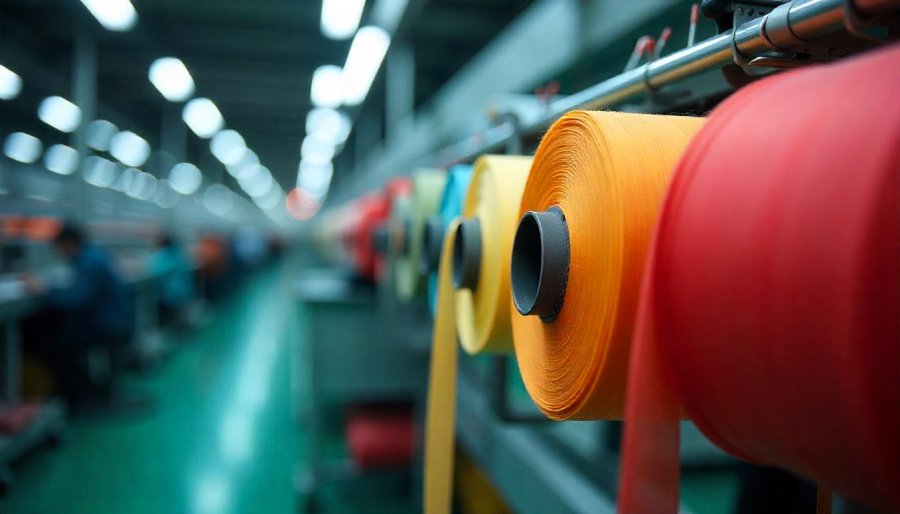
The Ongoing Toll: How Nylon’s Production and Waste Impact Our Planet
The environmental impact of nylon today is both widespread and deeply concerning. Its production continues to be a significant source of pollution, releasing greenhouse gases and chemical effluents that threaten air and water quality worldwide. Factories involved in nylon manufacturing emit large quantities of carbon dioxide and other pollutants, contributing to climate change and degrading local ecosystems. Wastewater discharges from these facilities often carry toxic chemicals that contaminate rivers and soils, harming wildlife and potentially affecting nearby communities. The cumulative toll of these industrial processes underscores how nylon’s footprint extends far beyond its immediate environment.
Once in use, nylon’s environmental consequences persist through microplastic pollution. Every wash releases tiny microfibers into water systems—almost impossible to filter out—where they travel through rivers and oceans. Marine animals ingest these particles, mistaking them for food, which leads to internal injuries, starvation, and the transfer of plastics up the food chain. For humans, consuming seafood contaminated with microplastics raises health concerns that are still being studied. This form of pollution is invisible to the naked eye but has become one of the most pressing ecological issues linked to nylon’s widespread use.
Discarded nylon products exacerbate the problem further. Due to its durability, nylon can resist natural degradation for hundreds of years, slowly fragmenting into smaller pieces that persist in landfills and ecosystems alike. These fragments leach chemicals into soil and groundwater, risking contamination of drinking water sources and surrounding habitats. The fast pace of consumerism, especially in fast fashion, fuels the proliferation of nylon waste, making it a growing contributor to global plastic pollution. Without proper waste management and recycling systems, these materials will continue to accumulate, causing ongoing environmental damage.
Regional differences reveal how local policies and infrastructure influence nylon’s ecological footprint. Countries with lax regulations often see factories releasing untreated effluents directly into waterways, while inadequate waste disposal facilities lead to nylon debris accumulating in landfills or washing into natural environments. Conversely, regions with stricter environmental laws and better recycling practices manage to mitigate some impacts, but the global picture remains troubling. This disparity highlights the necessity of international cooperation and stronger regulations to address nylon pollution comprehensively.
Emerging innovations offer hope but face challenges in scaling up. Researchers are exploring bio-based nylons derived from renewable resources like plant sugars, aiming to reduce dependence on fossil fuels. Chemical recycling technologies that break down used nylon into raw monomers could create a circular lifecycle, cutting waste and energy use. Some companies are developing biodegradable nylon formulations that decompose more quickly in natural settings, easing long-term pollution. Yet, these solutions are often limited by high costs, existing industrial infrastructure, and industry inertia. Transitioning to more sustainable alternatives requires coordinated efforts, technological advances, and policy support. Until then, nylon’s environmental toll will continue to mount, reminding us that convenience often comes at a significant ecological cost.