When it comes to vehicle maintenance, the choice between small family-run garages and large national chains can significantly impact your car’s long-term health and your peace of mind. Small garages offer personalized, community-driven service with trusted relationships and competitive pricing, but may lack access to advanced diagnostics for modern, tech-heavy vehicles. Conversely, large chains provide consistent quality, cutting-edge technology, and nationwide warranties, ensuring reliable repairs—especially for complex systems. But which option truly aligns with your priorities? As automotive technology evolves—with electric vehicles and digital record-keeping—garages must adapt or risk obsolescence. Will your trusted local mechanic keep pace with innovation, or will the convenience and security of a large chain win out? Understanding these contrasts helps you choose a service provider that can meet your vehicle’s needs today and tomorrow, balancing personal attention with technological expertise for the longevity of your car.
Choosing Between Small Family Garages and Large Chains: What Matters Most to You
When it comes to maintaining your vehicle, the choice of garage can make a real difference in the quality of service and your long-term peace of mind. Small, family-run garages often pride themselves on offering personalized care rooted in community trust. These shops are usually owned by local families who have built their reputation over years of honest work, forming close bonds with their customers. This familiarity means mechanics often remember your name, your vehicle’s history, and your specific needs, making every visit feel more tailored and attentive.
In contrast, large automotive chains operate across multiple locations with a focus on consistency and efficiency. They follow standardized procedures to ensure that no matter which branch you visit, the service is similar. These chains tend to invest heavily in the latest diagnostic tools and ongoing staff training, which helps them handle complex repairs on newer vehicles more effectively. Their broad reach also offers the convenience of nationwide warranties and predictable pricing, appealing to drivers who value reliability and uniformity.
While small garages offer a personal touch, their resources can vary widely. Some may lack access to advanced diagnostic equipment or specialized training necessary for modern, electronic-heavy vehicles. This can be a concern if your car relies on sophisticated onboard systems. On the other hand, large chains typically have the tools and expertise to diagnose and repair high-tech systems efficiently, reducing the risk of misdiagnosis or incomplete work.
Choosing between these options often depends on your priorities. If you value a long-term relationship, personalized service, and community reputation, a small garage might suit you best. But if you prefer the peace of mind that comes with standardized procedures, extensive training, and warranties that travel with you, a large chain could be the smarter choice.
Understanding the roles each type of garage plays helps you make a more informed decision. Whether you prioritize personal attention or technological reliability, knowing what to expect from small versus large garages ensures your vehicle receives the appropriate care. This knowledge empowers you to select a service provider that aligns with your needs, keeping your car in top shape for years to come.
The Personal Touch and Community Trust of Small Family Garages
Small family-run garages stand out because of their personal touch and deep community roots. Unlike big chains that often treat customers as just another number, these garages develop close relationships with their clients. Mechanics tend to remember your name, your vehicle’s history, and even small details that help them provide more tailored service. This familiarity builds trust and makes it easier to ask questions or discuss concerns without feeling rushed or pressured.
Because they’re locally owned, these garages often have lower overhead costs, which can translate into more competitive pricing. They’re also more flexible when it comes to scheduling repairs or accommodating special requests. Whether you need a last-minute appointment or a custom service, small shops are usually more willing to adapt, saving you time and hassle—especially if your vehicle has specific needs or you’re juggling a busy schedule.
Many small garages are trusted fixtures in their communities. Their reputation depends heavily on quality work and customer satisfaction, so mechanics tend to go above and beyond to keep their clients happy. This focus on honest work and long-term relationships encourages mechanics to provide thorough, reliable service. Customers often develop loyalty, returning year after year for maintenance that feels personal and attentive.
Another advantage is affordability. Without the marketing budgets or franchise fees of big chains, small garages can pass savings onto customers. They’re often willing to negotiate on prices or offer flexible payment options, making quality maintenance accessible for everyday drivers. This combination of personalized service and cost-effectiveness makes small garages a strong choice for routine care and long-term vehicle health.
For owners of classic cars or older models, having a trusted local mechanic who understands the quirks of their vehicle can be invaluable. These mechanics often develop specialized knowledge through years of experience, providing tailored advice that helps extend the vehicle’s lifespan. Building a relationship with a dependable small garage ensures your car gets the attentive care it needs to stay in good shape over the years.
Trusted Auto Repair and Vehicle Services in Thornhill, Ontario
For residents of Thornhill, Ontario seeking reliable auto care, Beck Automotive Services is your go-to destination. Our team of experienced auto technicians offers comprehensive services including auto repair, oil changes, brake repairs, engine and transmission services, and tire maintenance. We also specialize in vehicle diagnostics and routine maintenance to keep your car running smoothly. Additionally, Beck Auto features a wide selection of quality used cars for sale, providing excellent options for those looking to purchase a dependable vehicle. Contact us today at (416) 222-6583 or via email at [email protected] to schedule your service or inquire about our used cars. Trust Beck Automotive Services to keep your vehicle in top condition with expert care and personalized service.
Limitations of Small Garages: Technology Gaps and Skill Variability
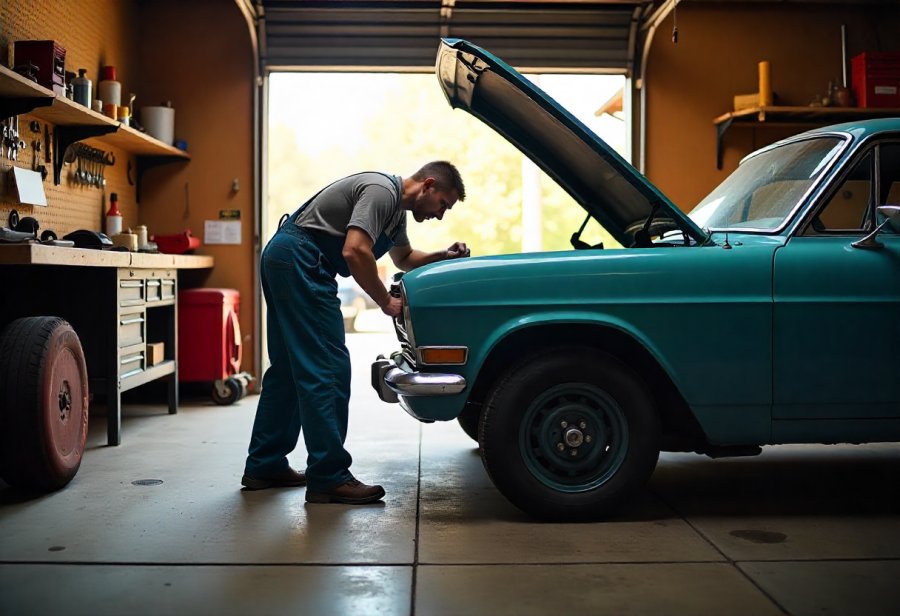
While small, family-run garages often excel in providing personalized service and building long-term trust, they can face notable limitations when it comes to maintaining consistent quality. Not every small shop has the same level of resources or access to advanced diagnostic equipment, which can be a significant drawback for modern vehicles laden with electronic systems. Without the latest tools, diagnosing complex issues can become a longer process, increasing the risk of misdiagnosis or incomplete repairs.
The rapid evolution of vehicle technology demands continuous training for mechanics. Many small garages do not prioritize ongoing education or invest heavily in staff development, meaning their technicians might not be fully up-to-date on the newest systems. This gap in expertise can lead to errors or subpar repairs, especially on newer models that rely heavily on electronics and sensors. A mechanic unfamiliar with the latest technology may miss subtle issues or use outdated repair methods, risking your vehicle’s long-term health.
Access to specialized diagnostic tools is another common challenge. Larger shops and franchise chains typically have the latest electronic testing equipment, enabling them to identify problems quickly and accurately. Small garages, constrained by tighter budgets, often rely on older or less sophisticated tools, which can hinder their ability to properly service high-tech vehicles. This technological gap can result in longer repair times and less reliable fixes.
Mechanic skill levels can vary more widely in small garages. While some technicians are highly experienced and well-trained, others might have limited exposure to advanced vehicle systems. Without standardized certifications or ongoing education, the quality of repairs can fluctuate significantly from one visit to the next. This inconsistency makes it harder for vehicle owners to trust that every repair will meet high standards, especially for complex or cutting-edge vehicles.
For owners of newer or high-tech cars, these limitations become more pronounced. Modern vehicles often require manufacturer-specific tools and knowledge to diagnose and repair properly. If a small garage lacks these resources, owners might need to seek specialized service elsewhere, which can be inconvenient and costly. Recognizing these resource constraints helps you make smarter decisions about where to entrust your vehicle’s care.
While many small garages provide honest, attentive service, their resource limitations mean they may not always keep pace with technological advancements. This can affect the quality and reliability of repairs, potentially leading to more frequent visits or unresolved issues. Being aware of these constraints ensures you choose a service provider that can meet your vehicle’s specific needs, especially as cars continue to grow more complex.
In the end, balancing the personal touch of a small garage with the need for high-tech expertise is key. Knowing their limitations allows you to weigh the importance of personalized service against the technical demands of your vehicle, ensuring you get the best possible care for your car’s long-term health.
The Reliability and Advanced Technology of Large Chain Garages
Large chain garages are known for delivering consistent quality, no matter which location you visit. Their standardized procedures and strict quality controls mean you can expect similar service and results whether you’re in your hometown or traveling across the country. This predictability provides peace of mind, especially for drivers who rely on their vehicles daily or frequently move for work or family commitments. Knowing that your car will be treated with the same level of care every time helps build long-term trust.
One of their biggest strengths is their investment in advanced diagnostic technology. Modern vehicles are increasingly complex, packed with electronic systems and sensors that require specialized tools to diagnose accurately. Large chains are equipped with state-of-the-art equipment, enabling their technicians to identify problems quickly and precisely. This reduces repair times and minimizes the risk of misdiagnosis, ensuring your vehicle gets the right fix the first time.
Nationwide warranties are another major advantage. Repairs performed at a chain garage often come with coverage that’s valid across all their locations. If a part fails or a repair doesn’t hold up, you can have it addressed at any branch without additional cost. This added security is especially valuable for those who travel frequently or own vehicles that require reliable, long-term maintenance.
Staff at large chain garages undergo continuous training and follow manufacturer-approved procedures. Their technicians stay current with the latest automotive technology, which is vital for working on modern cars filled with electronic systems. This focus on ongoing education ensures repairs meet high standards and that your vehicle’s systems remain functioning properly over time.
However, this emphasis on efficiency and technology can sometimes make the experience feel more transactional. Service might lack the personal touch found at smaller shops, and pricing tends to be higher due to branding and operational costs. Still, for many drivers, the reliability, technological expertise, and long-term warranties offered by large chains outweigh these drawbacks.
Choosing a large chain garage can be a smart move if you value consistency, advanced diagnostics, and peace of mind. Their ability to deliver reliable service across locations and handle the latest vehicle technology makes them a dependable choice for those who prioritize quality and security in vehicle maintenance.
Selecting the Perfect Garage: Credentials, Reputation, and Fit
When choosing a garage, start by checking the credentials of the technicians. Look for certifications like ASE or manufacturer-specific training, which signal a commitment to quality and ongoing education. Asking for proof of these qualifications can give you confidence that your vehicle is in capable hands. Clear, written estimates before any work begins are equally important—they ensure transparency and help you avoid surprises. A trustworthy shop will explain repairs in plain language and provide detailed cost breakdowns, fostering trust and making it easier to decide on necessary services.
Beyond credentials and estimates, pay attention to the shop’s reputation within your community. Positive reviews from friends, family, or online sources often reflect reliable service and honest communication. Visiting the garage in person can give you a sense of their professionalism—notice if the workspace is clean, organized, and welcoming. During your visit, don’t hesitate to ask questions about their experience with your vehicle type or specific concerns; a confident, straightforward response indicates a shop that values transparency.
Consider whether the garage has the capacity to service your particular vehicle. For newer, technologically advanced models, confirm they have access to the latest diagnostic tools and technicians trained on current systems. If a shop seems limited in resources or knowledge, especially for high-tech cars, it might be worth seeking a specialist or larger chain with more sophisticated equipment. This ensures your vehicle gets the accurate diagnosis and repairs it needs to perform safely and reliably.
Trust your instincts during your interactions. A friendly, professional attitude coupled with a well-maintained workspace often signals a reputable operation. Feeling comfortable asking questions and receiving honest answers is just as crucial as certifications. Building a relationship with a mechanic who communicates clearly and respects your concerns can make routine maintenance less stressful and more effective over time.
Finally, balance cost with quality. While affordability matters, the cheapest option isn’t always the best choice, especially if it compromises repair quality or transparency. Look for a garage that offers fair prices, honest advice, and a track record of satisfied customers. Choosing a reliable, well-reviewed shop—whether small or large—sets the foundation for your vehicle’s long-term health and your peace of mind.
Future Trends in Garage Services: Innovation, Digital Tools, and Electric Vehicles
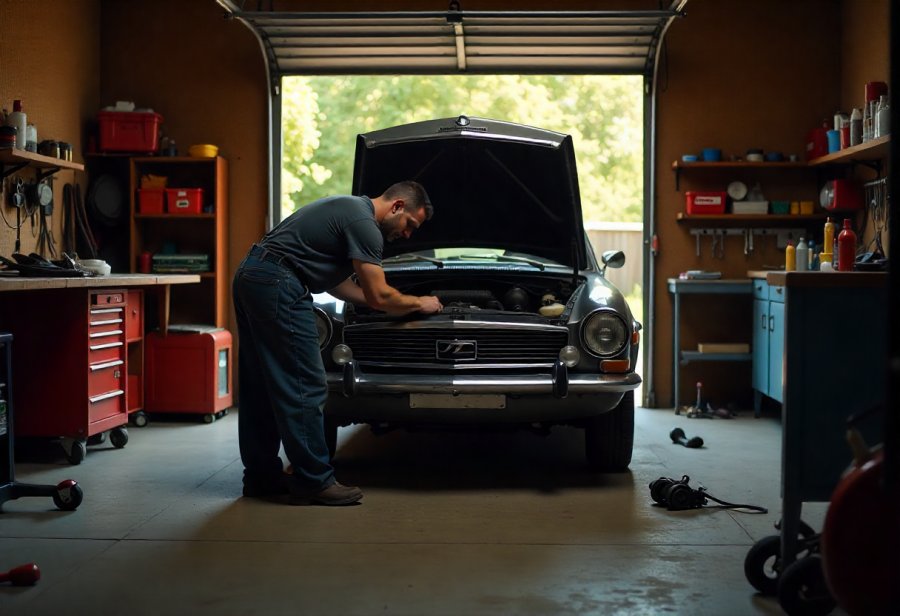
Emerging technologies are rapidly transforming vehicle maintenance, pushing garages to adapt or risk falling behind. Electric vehicles (EVs), for instance, require specialized diagnostic tools to assess batteries, motors, and complex electronic systems. Garages that invest in these advanced tools can accurately diagnose issues and perform repairs with greater precision, ensuring EVs stay on the road safely. Without such equipment, even skilled mechanics may struggle to service modern EVs properly, increasing the risk of misdiagnosis or incomplete repairs.
Digital records and remote diagnostics are changing how garages manage service histories. Many now use online platforms to track maintenance, making it easier to develop personalized care plans. Remote diagnostics allow technicians to access vehicle data before you even arrive, speeding up diagnosis and enabling proactive maintenance. This shift not only saves time but also enhances transparency, giving vehicle owners more confidence in the service process.
Customer expectations are evolving in tandem with these innovations. Drivers now seek real-time updates, transparent communication, and data-backed reports through apps or online portals. They want to see repair histories, receive instant notifications, and have clarity about what’s being done. Garages that embrace these digital tools can build stronger relationships and foster loyalty, especially as vehicles become more complex and owners more informed.
For repair shops, staying current with technological advances is essential to remain competitive. This means investing in ongoing staff training, acquiring the latest diagnostic equipment, and adopting digital communication channels. Shops that do so can diagnose problems early, prevent breakdowns, and extend vehicle lifespan more efficiently. Conversely, neglecting these trends risks alienating customers who expect modern, streamlined service.
The rise of electric and hybrid vehicles introduces a new layer of specialization. Garages will need to develop expertise in these areas, forming partnerships or making significant investments to provide comprehensive support. As EVs become more prevalent, the gap between resource-rich large chains and resource-limited small shops will widen. Small garages may need to adapt quickly to serve the growing market for eco-friendly vehicles.
Looking ahead, data-driven maintenance and innovative repair techniques will become the norm. Continuous learning will be crucial for mechanics, who must keep pace with rapidly evolving vehicle technology. Those who do will attract more customers, offering faster, more accurate repairs that build long-term trust. This ongoing evolution benefits everyone, creating a landscape where vehicle health is monitored proactively and maintained with precision.
Ultimately, embracing technological change ensures garages stay relevant in a future where vehicles are smarter, cleaner, and more connected. For owners, this means better service, longer-lasting cars, and peace of mind knowing their mechanic is equipped for the challenges ahead. As innovation accelerates, the best garages will be those that adapt, invest, and prioritize staying at the forefront of automotive repair.