Modern home security has evolved far beyond traditional locks and alarms, harnessing advanced technology to offer unprecedented control and peace of mind. From remote CCTV monitoring to smart locks and automated alerts, today’s systems promise a proactive defense tailored to the complexities of modern living. But do these integrated solutions truly safeguard families in an unpredictable world? As real-world applications demonstrate their effectiveness in deterring intruders and facilitating swift responses, concerns about cybersecurity vulnerabilities, technical glitches, and user errors persist. Industry experts emphasize that combining cutting-edge devices with ongoing vigilance and professional oversight creates a resilient security framework. Looking toward the future, innovations like AI-driven threat detection and seamless automation promise even smarter homes—yet they also introduce new challenges. Is relying on digital solutions enough, or must traditional safeguards remain essential in crafting a truly comprehensive security strategy? Ultimately, staying informed and proactive is key to safeguarding what matters most.
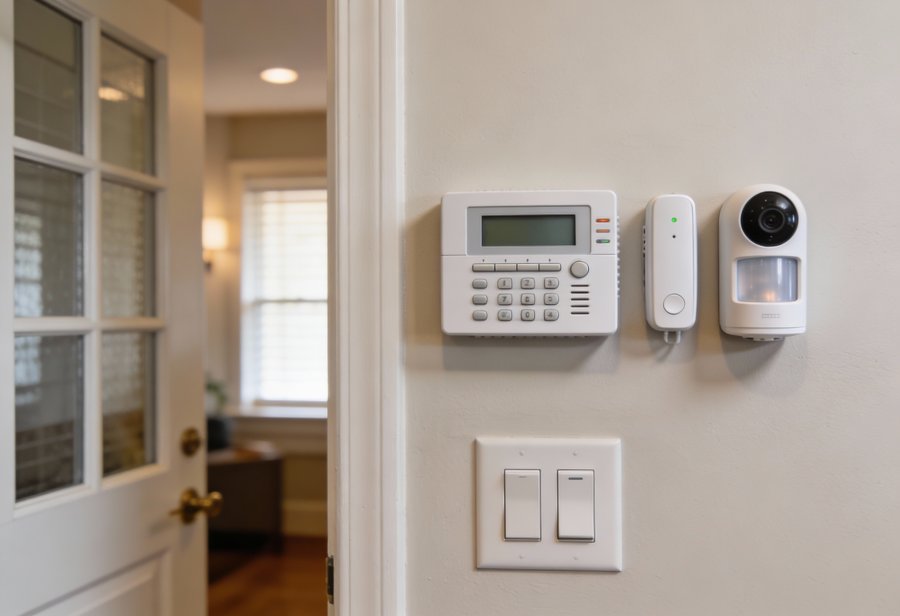
Revolutionizing Home Security: From Locks to Remote Control Mastery
Home security has transformed dramatically over the past decade. Gone are the days when locks, deadbolts, and basic alarms were the only options. Today’s homes are protected by connected, remote-controlled systems that combine convenience with advanced safety features. These modern solutions allow homeowners to monitor, manage, and respond to threats from anywhere, turning their smartphones into personal security command centers.
This shift is driven by a desire for greater control and faster responses. Traditional security measures offered limited visibility and relied heavily on physical deterrents. Now, integrated systems link cameras, alarms, and access controls into a seamless network that can be operated remotely. With just a few taps, you can view live footage, activate alarms, or lock doors, all in real-time. This connectivity not only enhances security but also provides peace of mind, knowing you’re always connected to your home.
Smart security systems also adapt to the routines and needs of modern households. Cameras can be set to record only when movement is detected, reducing false alarms and saving storage. Smart locks and biometric access controls eliminate the need for physical keys, cutting down on risks like lost keys or unauthorized access. These features make everyday routines more convenient while strengthening your home’s defenses.
Remote control capabilities are a key advantage. Whether you’re at work, on vacation, or simply away for the day, you can keep an eye on your property. Instant notifications alert you to unusual activity, while live video feeds let you verify concerns before taking action. This proactive approach helps deter intruders and ensures you can respond swiftly to any emergency, from break-ins to fires or gas leaks.
The evolution from traditional to integrated security reflects a broader trend toward smarter living. These systems do more than just prevent threats—they keep families connected and informed. As technology advances, future systems promise even more intuitive controls, better AI-driven threat detection, and seamless integration with other smart home devices. This ongoing innovation promises safer, more adaptable homes suited to unpredictable modern life.
However, relying solely on remote-controlled solutions isn’t without challenges. Technical issues like internet outages or software bugs can temporarily disable features. User errors, such as forgetting to arm the system, can create vulnerabilities. Cybersecurity risks also loom as more devices connect online. Balancing digital solutions with traditional safeguards remains essential for comprehensive protection.
Ultimately, today’s home security systems are about more than just gadgets—they’re about creating a resilient defense tailored to the complexities of modern living. Staying informed, maintaining regular updates, and combining technology with physical security measures form the best approach. This balanced strategy ensures your home stays safe, responsive, and prepared for whatever the future holds.
Enhance Your Markham Home with F.I.S.T Security’s Expert Solutions
F.I.S.T Security is a trusted Canadian owned and operated business based in Markham, Ontario, specializing in comprehensive security and automation solutions. With a reputation built on going the extra mile, FIST Security offers a wide range of services including intruder detection, card access, CCTV, intercoms, alarm monitoring, remote video monitoring, lighting, and environmental control. Our expertise extends to advanced home automation systems designed to elevate your home’s safety and convenience. We take pride in delivering personalized service and reliable security setups tailored to your needs. Whether you require a new security system or integrated smart home features, contact us today at 416.755.4233 or email [email protected] to learn more about how we can protect and automate your Markham residence.
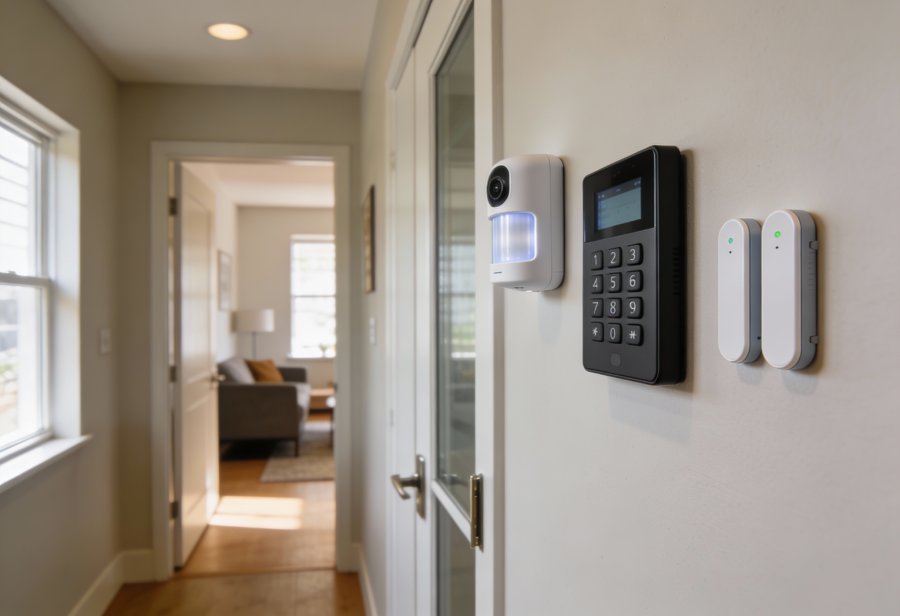
Real-World Wins: How Modern Security Systems Protect Your Household
Modern home security systems prove their worth through real-world applications that make a tangible difference in household safety. Outdoor CCTV cameras, for example, are a powerful visual deterrent and a vital surveillance tool. When placed strategically around the perimeter, they provide constant monitoring, day and night. If someone suspicious lingers or attempts to break in, homeowners can access high-quality footage remotely, often in real-time. This immediate visibility helps in quick decision-making and acts as a strong discouragement to potential intruders, who are less likely to target a property that’s actively monitored.
Smart alarms are another cornerstone of effective home security. These systems can be triggered remotely or silenced from a smartphone, allowing homeowners to respond swiftly to any unusual activity. Imagine receiving an alert about unexpected movement detected at night—immediately, you can view the live feed, decide whether to sound the alarm, or contact authorities. When integrated with professional monitoring services, these alarms prompt rapid responses that can prevent a break-in or minimize damage, often before an intruder even gains entry.
Access control systems, like smart locks and biometric scanners, add a layer of convenience and security that’s hard to match with traditional keys. Homeowners can manage who enters their home, issuing temporary codes or using fingerprint verification. This flexibility is especially useful for families with busy schedules or when expecting visitors or service personnel. These systems keep detailed logs of entries and exits, so you always know who was there and when. Plus, they seamlessly integrate with other smart home features—turning a simple lock into part of a comprehensive automation setup that enhances everyday convenience.
The power of combining cameras, alarms, and access controls creates a robust security network tailored to household needs. For instance, motion sensors can activate outdoor cameras and turn on lights when movement is detected, sending instant alerts to your phone. You can review footage, verify suspicions, and decide whether to escalate the response. This layered approach not only elevates security but also gives homeowners a sense of control and confidence, transforming passive systems into active defenses that react dynamically to threats.
For additional context, read Fred Morgan‘s article Revolutionizing Home Security with Smarter Remote Solutions on The Rubber Room.
Real-world examples highlight how these technologies work together to protect families. A household with outdoor cameras linked to their mobile devices noticed a person lingering near their garage. They reviewed the footage, alerted neighbors, and contacted authorities—all from their phone, successfully deterring a potential break-in. Another family relied on a smart alarm system with biometric access for service visits, logging who entered and when. These practical applications show that modern security isn’t just about technology; it’s about creating a safer, more responsive environment that fits seamlessly into daily life.
Of course, relying solely on digital solutions has its limits. Technical glitches, such as internet outages or software bugs, can temporarily disable features, leaving gaps in protection. User errors—forgetting to arm the system or misconfiguring devices—also reduce effectiveness. Cybersecurity risks, like hacking or data breaches, pose additional concerns, especially as more devices connect online. Combining these advanced systems with traditional safeguards, like physical locks, neighborhood watch efforts, and personal vigilance, creates a layered security approach that’s resilient even when technology faces challenges. Staying proactive with regular updates, testing devices, and practicing good cybersecurity habits ensures your home remains protected, no matter what.
Expert Insights: Building Resilient Homes with Cutting-Edge Security
Security professionals emphasize that the most effective home security today combines cutting-edge technology with ongoing vigilance and maintenance. They highlight that installing multiple layers—such as CCTV cameras, smart alarms, and access controls—creates a more resilient system capable of withstanding various threats. But having the latest gadgets isn’t enough; regular updates, system testing, and staying alert are essential to keep everything functioning optimally. Tailoring security setups to match the specific layout, lifestyle, and vulnerabilities of each household helps identify weak points before they can be exploited, making the entire system more robust.
Many experts stress the importance of professional monitoring services. These services act as an extra set of eyes, providing rapid responses when alarms go off or suspicious activity is detected. A trained operator can quickly assess the situation, contact authorities, or alert homeowners, ensuring help arrives promptly. This human element significantly enhances the effectiveness of digital systems, turning technology into a proactive safety net. It’s not just about having advanced devices; it’s about ensuring those devices are supported by expert oversight that can act decisively during emergencies.
Looking ahead, industry insiders see artificial intelligence and smarter sensors playing a bigger role in home security. Future systems will become more proactive, capable of recognizing faces, detecting unusual behaviors, or even predicting threats before they fully materialize. These innovations aim to minimize false alarms and improve response times, making homes safer and more responsive to dynamic situations. However, as systems grow more connected and intelligent, cybersecurity concerns also rise. Protecting these devices from hacking and data breaches will be critical, requiring strong encryption, regular software updates, and cautious data management.
The topic is expanded upon in Transform Your Home Security with Smart Connected Solutions, an article by Jens Williams on Blog Story Lines.
Despite technological advancements, experienced professionals remind homeowners that no system is perfect. Technical glitches, power outages, or user errors can create vulnerabilities. For example, a forgotten password or a missed software update might temporarily disable key features. Cyber threats remain an ongoing concern, especially as more devices connect online. Combining digital solutions with traditional security measures—like physical locks, neighborhood vigilance, and personal awareness—creates a layered approach that’s far more resilient. Regular maintenance, ongoing education, and professional guidance help ensure that the security setup adapts to evolving threats.
The best home security combines smart technology with proactive habits and expert support. Working closely with trusted professionals, staying informed about new threats, and regularly reviewing your system’s performance build a resilient defense. This approach not only maximizes safety but also fosters confidence that your home and loved ones are protected—no matter what challenges come next. As security technology continues to evolve, those who stay engaged and proactive will be best equipped to keep their homes safe in an unpredictable world.
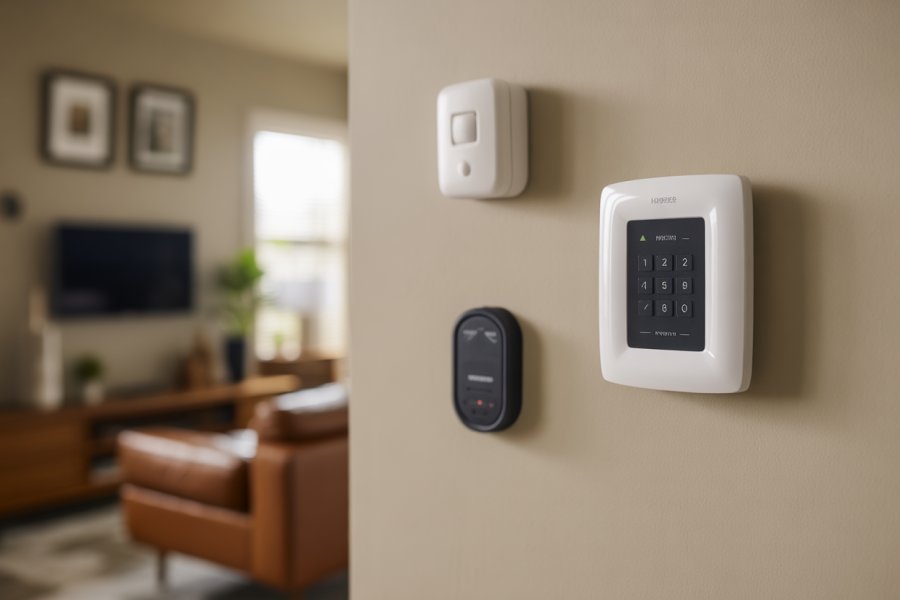
Future Frontiers: Emerging Trends and Challenges in Home Security
The future of home security is set to become more sophisticated and proactive, driven by advances in artificial intelligence and machine learning. These innovations will enable systems to analyze behavior patterns and environmental cues, helping to distinguish genuine threats from false alarms. Homes will transition from reactive to predictive safety environments, with sensors capable of identifying potential issues before they escalate. This shift promises not only greater security but also a seamless integration of safety and comfort into daily living.
However, increased connectivity introduces new challenges, particularly around cybersecurity. As more devices communicate online, safeguarding personal data and system integrity becomes critical. Protecting against hacking attempts, data breaches, and unauthorized access will require stronger encryption, regular software updates, and vigilant password management. Balancing convenience with privacy will be an ongoing concern, demanding homeowners stay informed about best practices and emerging threats to maintain trust in their security systems.
While technology advances, traditional safeguards remain essential. Physical measures like sturdy locks, neighborhood vigilance, and professional monitoring services continue to form the backbone of effective security. Power outages or network disruptions can still create vulnerabilities, so combining these with digital solutions offers a resilient defense. Regular maintenance, system testing, and ongoing user education help ensure your security setup adapts to evolving risks, maintaining effectiveness even when technology faces setbacks.
User-centric design will become a priority, making security systems more intuitive and easier to manage. Voice commands, mobile app controls, and automation routines will simplify complex tasks, empowering homeowners to oversee their safety effortlessly. Ensuring these tools are both accessible and secure will be vital in fostering trust and encouraging widespread adoption of smart security solutions.
As affordability and user-friendliness improve, even smaller households will gain access to advanced security features once reserved for larger or commercial properties. This democratization elevates overall safety standards, encouraging more families to adopt comprehensive protection strategies. Yet, as systems grow smarter, ongoing education about privacy, cybersecurity, and proper use will be essential to maximize benefits and minimize risks.
Despite these promising developments, no security system is invulnerable. Power outages, software glitches, or user errors can create gaps in protection. Cyber threats continue to evolve, making it vital to combine high-tech solutions with traditional practices—like physical locks and neighborhood watch efforts. Staying proactive through regular updates, testing, and vigilance ensures your home remains protected even when faced with unexpected challenges.
The key to resilient home security lies in continuous improvement and adaptation. Staying informed about emerging trends, working with trusted professionals, and regularly reviewing your system’s performance create a robust defense. This proactive mindset helps families navigate the changing landscape of threats and opportunities, keeping their homes safer and more responsive than ever before. As technology advances, those who embrace innovation while maintaining vigilance will be best positioned to safeguard what matters most.