Probiotics are often heralded as a simple fix for digestive health, supporting everything from gut balance to immune resilience. But do they truly deliver lasting benefits, or are their advantages more fleeting than many realize? While these live microorganisms—found in foods like yogurt and sauerkraut or in supplements—can help reduce bloating, regulate bowel movements, and bolster immunity, their effects vary greatly among individuals. Are they a miracle cure, or just a supporting actor with limitations? The science shows that benefits often depend on specific strains, proper dosing, and consistent use, but results are sometimes temporary, fading when intake stops. Plus, initial side effects like gas or bloating may discourage continued use, especially for those with health concerns. Understanding their potential and pitfalls enables smarter, more balanced use—pairing probiotics with a healthy lifestyle for genuine, long-term gut health. So, are probiotics a revolutionary health tool or just a popular trend with limited staying power?

Unveiling Probiotics: The Truth Behind Gut Health Boosters
Probiotics have become a buzzword in health circles, often praised as a simple way to boost gut health and overall well-being. You’ve likely seen them in stores as yogurt, kefir, sauerkraut, kimchi, or in supplement form promising to improve digestion. The core idea is that these tiny live microorganisms—mainly bacteria and yeasts—can help keep the bacteria in your gut balanced, which is essential for good health. This concept resonates because maintaining a healthy microbiome influences everything from digestion to immune function.
Their popularity isn’t just a passing trend; it’s supported by growing research highlighting how crucial a balanced gut microbiome is. Our gut hosts trillions of microbes that play a role in digestion, nutrient absorption, and immune responses. Many believe that adding beneficial microbes through probiotics can help restore or maintain this balance, especially when stress, diet, or illness disrupt it. But despite the promising narrative, the science behind probiotics is more nuanced than it appears.
Many common probiotic foods, like yogurt and sauerkraut, have been part of human diets for centuries, naturally introducing good bacteria into our systems. Supplement options, on the other hand, offer concentrated doses of specific strains tailored for particular health goals. However, not all strains are equally effective, and their impact can vary depending on your individual biology, dosage, and the strains used. This variability makes it clear that probiotics are not a one-size-fits-all solution.
While they hold promise, probiotics aren’t a cure-all. Their benefits can be mild or temporary and differ from person to person. Some people notice relief from bloating or digestion issues, while others see little change. Starting probiotics can sometimes cause mild side effects like gas or bloating as your gut adjusts. For individuals with compromised immune systems or underlying health conditions, it’s wise to consult a healthcare professional before use, as introducing live bacteria can carry risks in rare cases.
Understanding what probiotics can and cannot do is key to making informed choices. When used thoughtfully—paired with a balanced diet and healthy lifestyle—they can be a helpful addition to your wellness routine. Recognizing their limitations ensures you set realistic expectations and use them as part of a broader approach to supporting gut health and overall well-being.
Unlocking the Benefits: How Probiotics Support Digestion and Immunity
Probiotics are often celebrated for their ability to support digestion and bolster the immune system, making them a popular addition to many health routines. When the gut microbiome is balanced, digestion tends to be smoother, reducing issues like bloating, gas, and irregularity. Many people notice that incorporating probiotics helps them feel more comfortable after meals and promotes regular, healthy bowel movements by aiding in the breakdown of food and enhancing nutrient absorption.
Beyond their role in digestion, probiotics can also strengthen your immune defenses. Since a significant portion of immune cells reside in the gut, maintaining a healthy microbiome helps regulate immune responses and can make your body more resilient against infections. Some studies suggest that a balanced gut flora may reduce the severity and duration of colds or respiratory illnesses, although outcomes can vary. When used consistently, probiotics might contribute to a more robust immune system, especially during stressful periods or illness.
Different probiotic strains have specific effects, which means selecting the right type depends on your health goals. Certain bacteria are better suited for alleviating diarrhea, while others may help reduce inflammation or support skin health. Combining multiple strains often offers a broader spectrum of benefits, especially when paired with a diet rich in prebiotics—fiber-rich foods that nourish these beneficial microbes. This synergy helps sustain microbiome diversity, which is key to long-term health.
Research increasingly underscores probiotics’ role in restoring microbiome diversity, especially after disruptions caused by antibiotics or illness. Introducing beneficial bacteria can help replenish what’s lost, speeding up recovery and easing digestive discomfort. Still, the extent of these benefits depends on the strains used, individual biology, and lifestyle factors. While promising, probiotics are not a cure-all but a supportive tool for maintaining gut health.
Many find that probiotic-rich foods like yogurt, kefir, sauerkraut, or kimchi are effective and easy ways to support gut health naturally. Eating these foods a few times a week can help maintain balance without much effort. For targeted support, daily supplements with specific strains can provide concentrated doses, especially during stressful times, travel, or after illness. Pairing probiotics with a high-fiber diet enhances their effectiveness by creating a nurturing environment for beneficial bacteria.
The benefits of probiotics tend to be most noticeable with consistent use over time. When you stop consuming probiotic foods or supplements, the beneficial bacteria in your gut can decline, and any improvements may fade. This highlights that probiotics are more of a long-term support rather than a quick fix. Integrating them into your daily routine, along with exercise, stress management, and a balanced diet, ensures they work more effectively and sustainably.
It’s important to keep in mind that individual responses vary. While many experience relief from digestive discomfort or immune support, others may see only mild or temporary improvements. Mild side effects like gas or bloating often decrease after the initial adjustment period. For those with compromised immune systems or health conditions, consulting a healthcare professional before starting probiotics helps ensure safe, tailored use.
Navigating Limitations: What You Should Know Before Using Probiotics
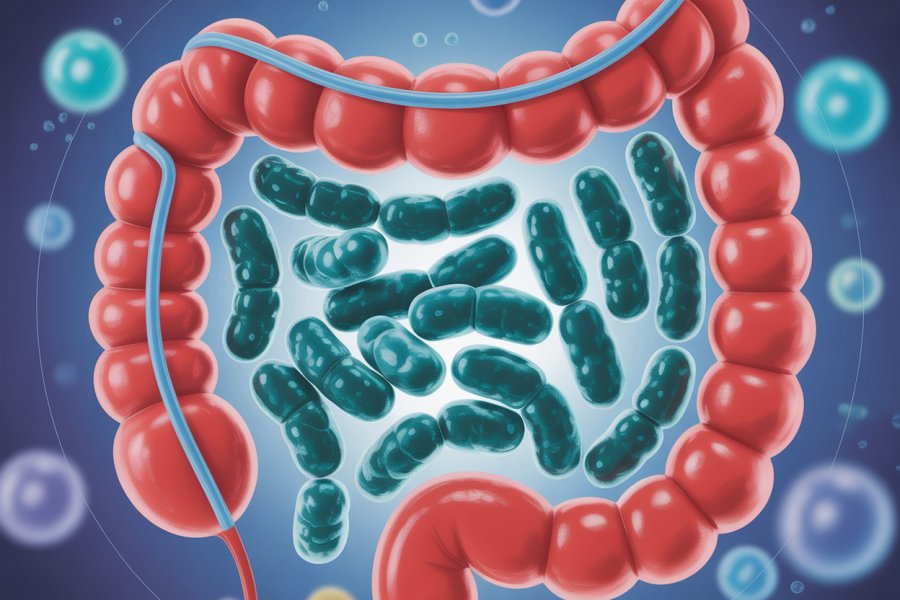
While probiotics are often marketed as a straightforward solution for gut health, their effects are not uniform or guaranteed. Different strains of beneficial bacteria can produce vastly different outcomes, and what works for one person may do little for another. This variability means that finding the right probiotic often involves some trial and error, which can be frustrating and time-consuming.
The benefits of probiotics tend to be temporary unless you maintain consistent intake. If you stop consuming probiotic-rich foods or supplements, the population of beneficial bacteria in your gut can decline, and the positive effects may fade. This makes probiotics more of a long-term supplement rather than a quick fix, emphasizing the importance of regular use to sustain any benefits.
Initial side effects, like gas, bloating, or stomach discomfort, are common when starting probiotics. These symptoms usually subside after a few days, but they can discourage some from continuing. For individuals with weakened immune systems or underlying health issues, introducing live bacteria carries a small risk of infections or complications. Consulting a healthcare professional beforehand is essential to minimize potential risks.
Storage and handling also play a key role in probiotic effectiveness. Live bacteria are delicate and can be destroyed by heat, humidity, or poor storage conditions. Many supplements require refrigeration, but neglecting proper storage can significantly reduce their potency. Dosing matters too—taking too little may render the probiotic ineffective, while excessive doses can cause unwanted side effects like increased bloating or discomfort.
Scientific research on probiotics remains a work in progress. While promising strains exist, large-scale, definitive evidence is often lacking for many specific uses. This uncertainty makes it difficult to recommend particular strains confidently for certain health issues. Consumers should approach probiotic claims with a healthy dose of skepticism and realistic expectations.
For some, the variability and potential side effects can overshadow the benefits. Not everyone responds the same way to probiotic supplements or foods, and benefits may be mild or short-lived. Recognizing these limitations helps set realistic goals and prevents disappointment or unnecessary expense.
Finally, probiotics should not replace medical treatment when needed. They can support recovery from antibiotics or digestive disturbances but are not substitutes for professional healthcare. Using them thoughtfully and in conjunction with a healthy lifestyle ensures they serve as a helpful, rather than problematic, addition to your wellness toolkit.
Smart Strategies for Incorporating Probiotics Into Your Daily Routine
Incorporating probiotics into your daily routine can be straightforward and effective. Starting with probiotic-rich foods like yogurt, kefir, sauerkraut, or kimchi offers a natural way to support your gut health. These foods not only provide beneficial bacteria but also come packed with fiber and nutrients that promote overall wellness. Eating them a few times a week helps maintain a balanced microbiome without much effort, making it easy to turn into a regular habit.
If you prefer supplements, choose high-quality products with strains that are backed by research. Following the recommended dosage on the label ensures you’re getting enough beneficial bacteria without overdoing it. Taking probiotics with meals can help protect the live microbes from stomach acid, increasing the likelihood they reach your gut alive and effective. Consistency is key; daily intake tends to produce more reliable results than sporadic use.
During stressful times, travel, or recovery from illness, daily supplements can give your microbiome a concentrated boost. Maintaining a routine during these periods helps stabilize your gut flora, reducing discomfort and supporting recovery. If your diet already includes a variety of fermented foods and high-fiber produce, occasional probiotic use might suffice for ongoing maintenance. Pay attention to how your body responds and adjust your intake accordingly.
Pairing probiotics with prebiotic foods, such as fruits, vegetables, and whole grains, enhances their effectiveness. Prebiotics serve as fuel for beneficial bacteria, helping them grow and perform better. This symbiotic relationship fosters a diverse, resilient microbiome that supports long-term health. Incorporating more fiber into your meals is a simple step to naturally nurture your gut bacteria and maximize probiotic benefits.
Remember, probiotics work best when integrated into a balanced lifestyle. Regular exercise, stress management, and a nutritious diet complement their effects, creating a foundation for sustained gut health. Whether through food or supplements, consistent use combined with healthy habits makes probiotics a reliable part of your wellness toolkit. This approach ensures you get the most from their potential benefits without relying on quick fixes or shortcuts.

Probiotics in Perspective: Key Insights for Optimal Use and Expectations
Probiotics can be a helpful addition to your health routine, especially when it comes to supporting digestion and immune function. They work by helping maintain a balanced gut microbiome, which is essential for feeling comfortable and staying resilient against illnesses. When used thoughtfully, probiotics may reduce bloating, improve regularity, and support overall gut health, making daily life a little easier.
However, they are not a magic cure. Their effects vary depending on the strains used and individual responses. Some people notice significant benefits, while others may experience only mild or temporary improvements. Mild side effects like gas or bloating often fade after a few days, but for those with underlying health conditions or weakened immune systems, caution is key. Consulting a healthcare professional before starting probiotics helps ensure safe, tailored use.
Choosing the right strains and maintaining consistent intake amplify their benefits. The science is still evolving, and not all probiotics are equally effective for every person or condition. Pairing probiotics with a fiber-rich diet and prebiotics can further enhance their impact, supporting a diverse and resilient microbiome over the long term.
Probiotics are most effective when integrated into a healthy lifestyle. Regular exercise, stress management, and a balanced diet complement their effects, creating a foundation for sustained gut health. Using them thoughtfully and consistently transforms them from a fleeting trend into a reliable tool for wellness.
Remember that individual responses will differ. While many experience relief from digestive discomfort or immune support, others might see only mild improvements. Side effects like gas or bloating typically decrease as your gut adjusts. For those with health concerns, professional guidance is essential to avoid potential risks and tailor use to your needs.
Incorporating probiotics wisely involves understanding their limitations and benefits. They can support your health journey when combined with good nutrition, exercise, and stress management. Approaching them with realistic expectations ensures you maximize their potential without relying on false promises. When used as part of a balanced approach, probiotics become a sustainable element of your overall wellness, helping your gut and immune system thrive in the long run.