What if true leadership isn’t about external conquest or visible trophies, but rooted in the quiet strength of inner discipline? The life of Marcus Aurelius exemplifies this paradox—facing wars, plagues, and political upheaval with unwavering moral resolve and self-control. This timeless blueprint reveals that resilience, moral clarity, and emotional mastery form the foundation of genuine power. Across cultures, from Stoic philosophers to Confucian sages, inner virtues have been celebrated as the true source of influence. Today’s leadership shift toward emotional intelligence and mindfulness underscores this enduring truth: sustainable strength begins within. Cultivating habits like meditation, journaling, and deliberate patience transforms vulnerability into resilience, forging leaders who remain composed amid chaos. Could mastering oneself be the ultimate act of leadership? This exploration challenges us to redefine power—not through external victories, but through the mastery of one’s inner world, making inner discipline the greatest empire of all.
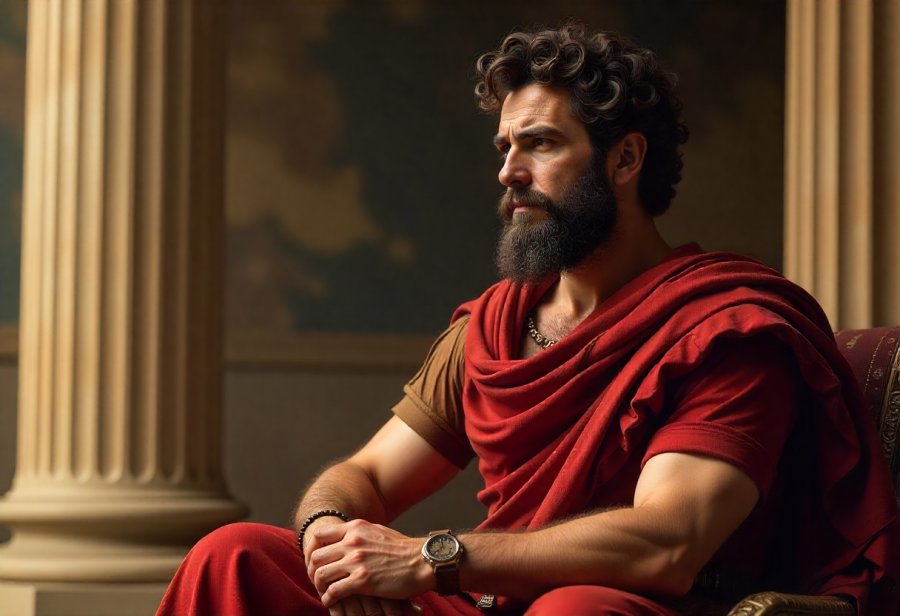
Inner Discipline: The True Measure of Leadership Strength
Leadership is often judged by outward signs—victories, titles, or visible displays of power. But what if the true measure of strength lies beneath the surface, rooted in how well a leader can govern themselves? This question resonates through history and finds a compelling answer in the life of Marcus Aurelius. As a Roman emperor and Stoic philosopher, he faced immense challenges—wars, plagues, political unrest—yet his leadership was characterized more by inner discipline than external conquest. His example invites us to reconsider what genuine authority really depends on.
Inner discipline is about self-control, resilience, and moral steadiness—qualities that don’t always make headlines or earn trophies. It’s the ability to remain calm, make thoughtful decisions, and uphold integrity even amid chaos. Marcus Aurelius exemplified this consistently, maintaining composure and clarity when the empire was under threat. His writings in Meditations reveal a man committed to mastering his thoughts and emotions, viewing external events as opportunities for growth rather than sources of frustration.
The idea that true strength comes from within isn’t new. Across different cultures and eras, many leaders and thinkers have recognized that self-mastery is the foundation of lasting influence. The Stoics, for example, practiced mental exercises like journaling and visualization to prepare for adversity. Similarly, Confucian traditions emphasized daily self-cultivation and moral reflection as essential to effective leadership. Both approaches highlight a core belief: genuine power begins with inner resilience and moral clarity.
Throughout history, figures like Marcus Aurelius demonstrated that inner discipline fosters resilience and trust—qualities that stand firm during turbulent times. His ability to govern with calm and moral integrity helped him withstand crises that might have overwhelmed less disciplined leaders. This internal strength, rooted in self-awareness and virtue, became the true source of his lasting influence. It’s a reminder that external victories fade, but inner mastery endures.
Today, this understanding is gaining renewed relevance. Many organizations now emphasize emotional intelligence, self-awareness, and mental resilience—traits closely linked to inner discipline. Leaders who manage their emotions and reflect thoughtfully tend to build more trust and loyalty. As practices like mindfulness and journaling become more common, cultivating inner discipline is no longer a luxury but a vital leadership skill. Marcus Aurelius’s example remains as relevant as ever: true strength begins from within.
Roots of Inner Discipline: Ancient Wisdom Across Cultures
The concept of inner discipline isn’t a modern invention; its roots run deep across many cultures and philosophies. In ancient China, Confucianism emphasized self-cultivation and moral integrity as essential for harmony within society. Leaders and individuals were encouraged to develop virtues like humility, patience, and filial piety, believing these qualities fostered social stability and trust. This focus on moral self-improvement aimed not only at personal virtue but also at creating a well-ordered, harmonious community.
Meanwhile, in Greece and Rome, Stoicism became a dominant philosophical tradition centered on controlling emotions and maintaining rational clarity amid chaos. Thinkers like Seneca and Marcus Aurelius saw inner resilience as key to enduring hardship and guiding others wisely. Their mental exercises—such as journaling or visualization—were designed to prepare themselves emotionally for adversity, fostering calm and moral steadiness even in turbulent times. These practices were seen as vital tools for cultivating a strong, virtuous character capable of withstanding external pressures.
Both the Confucian and Stoic traditions share a core belief: that true strength originates from within. They prioritized self-control, moral clarity, and resilience as foundational qualities for effective leadership. Daily rituals, reflection, and mental discipline were central to their routines, helping leaders and ordinary people alike develop a character resilient enough to face life’s challenges. These practices weren’t just about individual growth; they were viewed as essential for maintaining social order and fostering trust.
Throughout history, figures like Marcus Aurelius embodied these ideals. His Meditations reveal a man committed to inner discipline, drawing heavily on Stoic principles of self-mastery and moral integrity. Similarly, Confucian rulers emphasized virtues like humility and patience, seeing these qualities as the moral bedrock of their authority. Their examples demonstrate how inner resilience has long been recognized as the secret to enduring influence, transcending external achievements and focusing instead on moral strength.
Even as Western societies celebrated external successes—such as military victories or political power—Eastern philosophies consistently highlighted inner virtues as the true source of lasting influence. During the Renaissance and Enlightenment, thinkers like Machiavelli acknowledged that moral resilience and self-control were crucial for sustainable power, even amid strategic cunning. This cross-cultural recognition underscores a universal truth: inner discipline remains the most enduring foundation for authentic leadership.
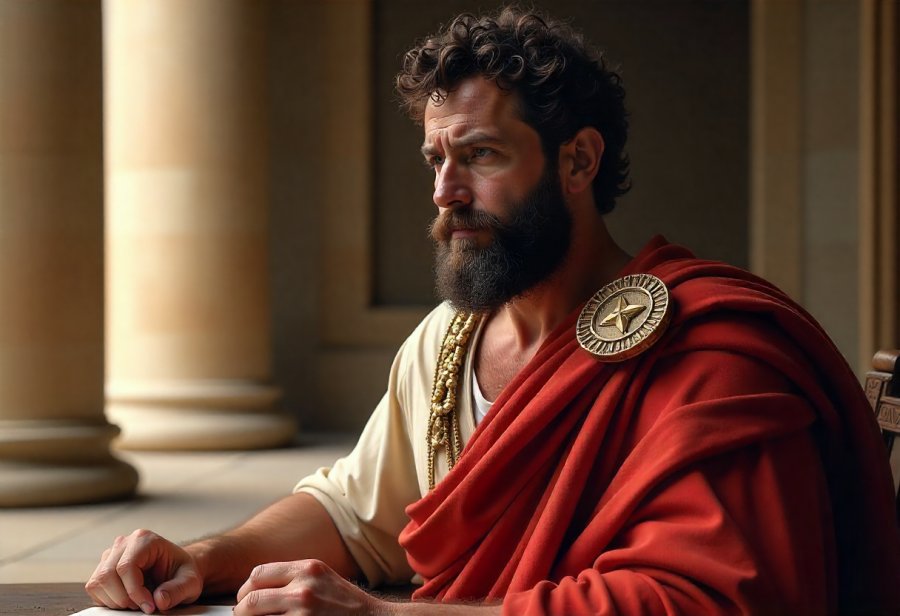
Modern Leaders and the Relevance of Inner Strength
Modern leadership increasingly values qualities like emotional intelligence, self-awareness, and mental resilience—traits that directly tie back to inner discipline. Today’s organizations recognize that effective leaders aren’t just judged by their results but by their ability to manage emotions, stay calm under pressure, and reflect thoughtfully on their actions. These qualities foster trust, loyalty, and stability within teams, especially in fast-paced, unpredictable environments. Leaders who cultivate inner resilience tend to navigate crises more effectively and inspire confidence through their steadiness.
Despite this shift, many leadership models still emphasize external achievements—sales figures, market share, or public recognition—over inner virtues. In competitive settings, there’s often a focus on quick wins and visible authority, which can overshadow the importance of moral clarity and self-control. This tendency can lead to superficial confidence that crumbles when faced with adversity, making organizations vulnerable. External metrics tend to praise external success but can obscure the quiet strength that comes from inner discipline, which is more sustainable and authentic.
Fortunately, the tide is turning. More companies now integrate practices like mindfulness, ethical decision-making, and self-reflection into leadership development. These initiatives aim to enhance self-awareness and emotional regulation, helping leaders respond thoughtfully rather than react impulsively. In times of uncertainty, such skills are vital, enabling leaders to act with integrity and focus on long-term values instead of short-term gains. As these practices become more widespread, they’re reshaping what it means to lead well in today’s complex world.
Technology plays a role too, making tools like meditation apps, stress management platforms, and virtual coaching more accessible. These innovations encourage daily habits—such as mindful breathing or journaling—that reinforce inner resilience. By democratizing inner development, organizations are embedding discipline into their leadership culture at all levels. This shift signals a recognition that cultivating inner strength isn’t just a soft skill but a strategic necessity for sustainable influence.
Ultimately, leadership rooted in inner discipline offers a more genuine and lasting form of strength. It’s about creating leaders who are steady amid chaos, morally anchored, and equipped to handle challenges with clarity and calmness. As organizations embrace this approach, they foster resilient teams and build legacies grounded in authenticity. The modern leader’s most valuable asset may no longer be external trophies but an unwavering inner resilience that guides every decision and action.
Building Inner Resilience: Strategies and Practical Tools for Leaders
Developing inner strength as a leader begins with simple, intentional habits that can be integrated into daily life. Practices like meditation and mindfulness are powerful tools for cultivating self-awareness and emotional regulation. Just a few minutes of quiet reflection each day create mental space, allowing you to observe your thoughts and reactions without judgment. Over time, this habit fosters a sense of calmness and clarity, making it easier to respond thoughtfully rather than impulsively, especially during stressful moments. These small moments of stillness serve as a foundation for steady decision-making and moral steadiness.
Journaling and regular reflection deepen this process of self-mastery. Writing about moral dilemmas, challenges, or personal goals helps clarify your values and track your growth. Combining journaling with visualization techniques—such as imagining potential setbacks or difficult conversations—prepares you mentally to handle adversity with composure and strategic thinking. This mental rehearsal strengthens resilience and moral clarity, reinforcing your inner discipline and capacity to stay aligned with your principles.
Managing stress proactively supports the development of inner strength. Physical activities like exercise, ensuring proper sleep, and maintaining balanced routines bolster mental health and emotional stability. When leaders prioritize their well-being, they create a mental environment conducive to wise, calm decision-making. This focus on self-care acts as an inner anchor, enabling you to stay centered amid chaos or uncertainty. Cultivating resilience through self-care transforms it from a reactive quality into a consistent habit that underpins effective leadership.
Practicing deliberate patience and resisting impulsive reactions are key to building self-control. Small acts—pausing before responding, resisting emotional triggers, or truly listening—develop mental toughness over time. These habits help you maintain perspective and uphold moral integrity during high-pressure situations. Repeatedly applying these behaviors gradually turns virtues into second nature, embedding inner discipline into your leadership style and daily interactions.
Aligning your actions with core values through ethical decision-making reinforces inner resilience. Regular reflection on your guiding principles ensures consistency between your beliefs and behaviors. When your actions are rooted in authentic values, you foster trust and deepen your influence. This moral alignment creates a resilient foundation, making your leadership more sustainable and authentic, grounded in integrity rather than superficial displays of strength.
Integrating these practices into everyday routines demands deliberate effort, but the payoff is significant. Developing habits like mindfulness, reflection, patience, and value-based choices builds a resilient, self-aware leader capable of navigating complex challenges. Over time, this inner fortitude becomes a steady anchor, guiding you through turbulent times with authenticity and clarity. Cultivating inner discipline isn’t about perfection; it’s about persistent, small steps that create a powerful, enduring foundation for genuine leadership.
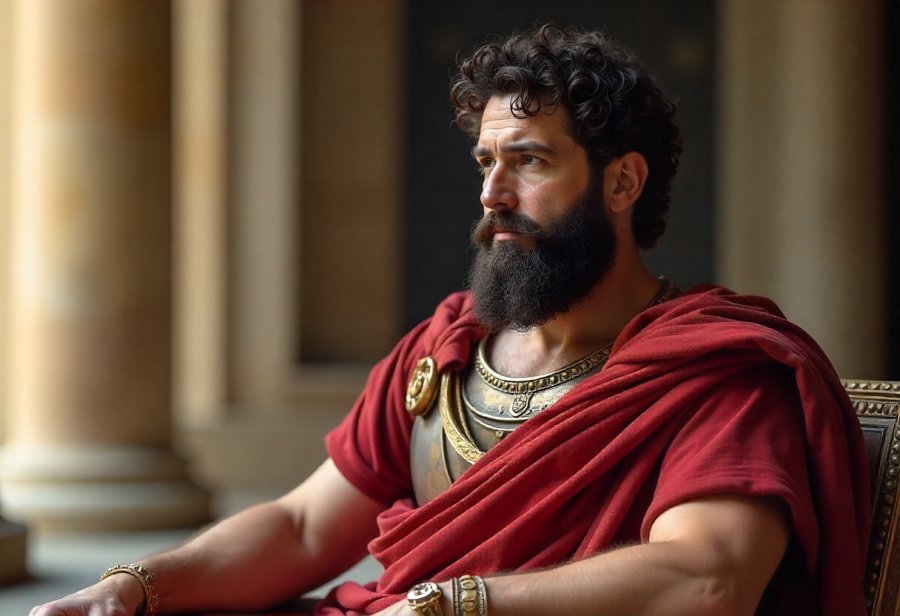
Harnessing Inner Power: Key Takeaways for Lasting Leadership
Inner discipline isn’t just an abstract ideal; it’s the foundation of lasting leadership and personal growth. Small, consistent habits—such as daily reflection, mindfulness, and staying true to your core values—build resilience over time. These practices enable you to manage your emotions more effectively, make wiser decisions, and foster genuine trust among those you lead. The key is persistence: every deliberate effort, no matter how minor, contributes to shaping a stronger, more centered self capable of facing challenges calmly and clearly.
Remember, true strength doesn’t come from external victories or titles. It’s rooted in how well you govern your inner world—your thoughts, emotions, and morals. Leaders who develop inner discipline create a steady foundation that withstands storms and uncertainties. Marcus Aurelius’s life exemplifies this—his mastery over himself was the most powerful influence he wielded. When you can remain composed amid chaos, you demonstrate a quiet strength that commands respect far beyond superficial success.
Building this resilience demands intentional effort, but the rewards are profound. Practices like mindfulness and journaling aren’t just routines; they’re opportunities to deepen self-awareness and clarify your purpose. Regular reflection on your values and goals reinforces your moral compass, aligning your actions with your principles. This consistency not only fosters trust but also creates integrity that endures through time. Inner discipline becomes a way of life—a guiding force that shapes every decision and interaction.
Managing stress proactively is equally vital. Techniques such as deep breathing, physical activity, or simply pausing before reacting help maintain balance. When you prioritize your mental and physical well-being, you set the stage for clear, thoughtful responses rather than impulsive reactions. Over time, these habits transform resilience from a fleeting trait into a dependable part of your leadership toolkit, anchoring you during turbulent moments.
Practicing patience and resisting impulsive reactions further cements your inner strength. Small acts—like taking a breath before responding or truly listening—develop mental toughness gradually. These habits sustain your moral integrity and perspective when stakes are high, turning virtues into second nature. The more you embed these behaviors, the more natural it becomes to lead with calm confidence and authenticity.
Aligning your actions with core values through ethical decision-making reinforces this inner resilience. Regularly reflecting on your guiding principles ensures consistency and authenticity. When your behaviors stem from genuine beliefs, you foster trust and deepen your influence. This moral alignment creates a resilient foundation that supports sustainable leadership—grounded in integrity rather than superficial displays.
Building inner discipline isn’t about perfection; it’s about persistent, small steps that, over time, create a powerful, enduring foundation. Every moment spent cultivating self-awareness and moral clarity adds to your inner strength, making you more capable of navigating life’s inevitable storms. The most impactful leaders are those who govern themselves first, using inner resilience as their true source of influence. Cultivating this quiet power transforms not just your leadership but your entire approach to life.