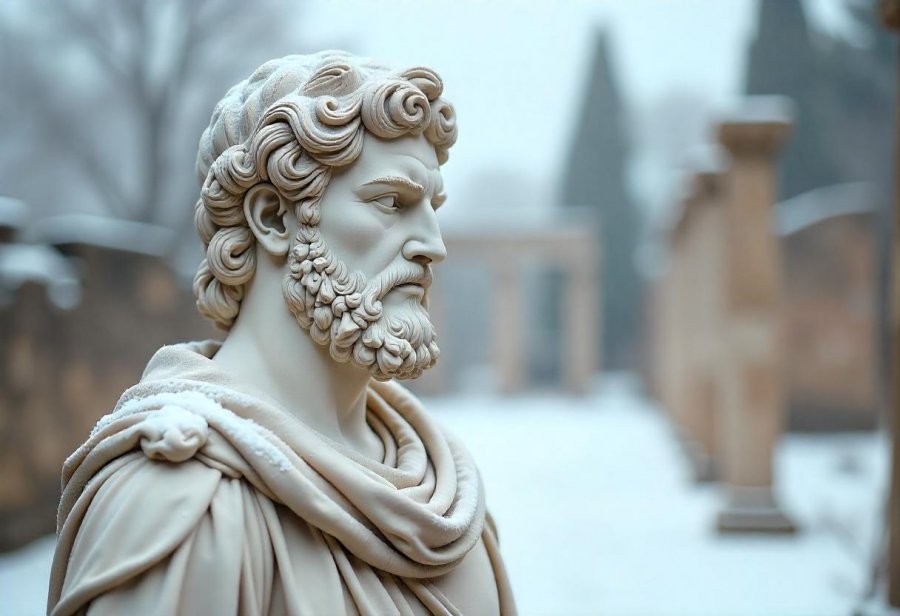
Friedrich Nietzsche’s life and philosophy are a compelling saga of rebellion against conventional morality and societal norms. Born into a deeply religious environment, his early skepticism drove him to challenge authority, advocating for radical self-creation and authenticity. His critique of inherited morals, especially Christianity, positions chaos and disorder as vital forces for renewal, urging individuals to confront internal and external upheaval to forge new values. Nietzsche’s ideas have profoundly influenced modern philosophy, literature, psychology, and culture, inspiring movements that prize personal freedom, artistic innovation, and social critique. Yet, his call to embrace chaos raises questions: can such rebellion lead to reckless relativism or genuine growth? As his philosophy continues to challenge our notions of morality and self-identity, it invites us to question whether upheaval is truly a threat or a vital catalyst for authentic transformation. Are we prepared to face the chaos necessary for true self-overcoming and cultural evolution?
Nietzsche’s Life of Rebellion and Philosophical Discovery
Friedrich Nietzsche’s life was as much about rebellion as it was about philosophical discovery. Born in 1844 in the small town of Röcken, Germany, he grew up in a deeply religious family. His father, a Lutheran pastor, died when Nietzsche was just five, leaving him in the care of his mother and sister, who upheld strict religious values. This early environment planted seeds of skepticism in Nietzsche, even as he excelled academically, especially in classical languages and philosophy. His natural curiosity and intellect drew him toward ideas that challenged authority—particularly religious and societal norms—setting him apart from many of his peers.
As he moved through university and into his career, Nietzsche’s rebellious spirit became clearer. Initially expected to follow his father into the clergy, he quickly rejected that path and dedicated himself to philosophy instead. His writings reflect a fierce critique of morality, religion, and societal conventions—acts of intellectual defiance rooted in personal struggles and a desire for authenticity. Nietzsche believed that traditional values had become oppressive, stifling human vitality and creativity, and he sought to overturn them to free the individual.
At the core of his thought lies a relentless challenge to inherited beliefs. Nietzsche saw morality—especially Christianity—as a system designed to control and diminish natural instincts. He urged people to question everything they’d been told and to forge their own way. His concept of the Übermensch, or “Overman,” encapsulates this vision of radical self-creation—someone who lives beyond conventional notions of good and evil, shaping new values in the face of chaos and uncertainty.
Throughout his life, Nietzsche’s work became a beacon for those seeking to break free from societal constraints. His philosophy promotes embracing chaos and disorder as vital ingredients for growth, resilience, and authenticity. His provocative ideas continue to influence modern thought, inspiring individuals and cultures to question authority, challenge norms, and pursue personal freedom. Nietzsche’s story is one of daring rebellion—an ongoing call to confront chaos, reject conformity, and forge a more genuine, self-defined existence.
The Lasting Impact of Nietzsche’s Radical Ideas
Friedrich Nietzsche’s ideas have left a lasting imprint on the way we think about ourselves and the world around us. His critique of traditional morality and religion laid the groundwork for existentialism and post-structuralism, inspiring thinkers like Sartre, Foucault, and Derrida to challenge established ideas of freedom, power, and identity. By emphasizing individual authenticity and the will to power, Nietzsche shifted the focus from collective norms to personal self-expression, encouraging us to question the very foundations of Western moral systems.
His influence extends deeply into literature, where writers have embraced his call for self-creation and chaos. Many authors craft characters driven by inner conflict and a desire to break free from societal expectations, reflecting Nietzsche’s belief in the importance of authenticity. This literary approach pushes boundaries and explores complex human motives, inspiring stories that challenge conventions and celebrate the resilience of the individual spirit.
In psychology, Nietzsche’s insights into human motivation and internal conflict have played a pivotal role. His idea that chaos and struggle are essential for growth helped shape psychoanalytic and motivational theories. Therapists now often focus on helping individuals confront and integrate their inner conflicts, aligning with Nietzsche’s view that embracing disorder fosters personal strength and self-overcoming.
Culturally, Nietzsche’s rebellion against societal constraints sparked movements that championed individual rights, artistic innovation, and cultural critique. His rejection of absolute truths and his encouragement to question authority have fueled art, music, and social activism that prioritize diversity and self-determination. These shifts have created environments where authenticity and personal freedom are celebrated, echoing Nietzsche’s vision of chaos as a catalyst for renewal.
Today, Nietzsche’s ideas influence everyday life through acts of rebellion and resilience. From unconventional career choices to unique personal expressions, many find empowerment in his philosophy. His emphasis on self-overcoming inspires individuals to live authentically and forge their own paths, often amid societal pressures to conform. This ongoing cultural shift reflects his belief in the transformative power of chaos and individual will.
However, Nietzsche’s influence also carries its risks. His emphasis on personal strength and self-creation can sometimes be misused to justify moral relativism or reckless behavior. Recognizing this nuance is key to understanding his ongoing impact, ensuring that the pursuit of authenticity remains balanced with responsibility and awareness.
In essence, Nietzsche’s philosophy continues to challenge and inspire us. His ideas serve as a catalyst for cultural transformation, encouraging us to question authority, embrace chaos, and forge new values. His enduring legacy reminds us that progress often begins with upheaval and that true freedom involves daring to live authentically in a complex, uncertain world.
Rebellion and Chaos as Foundations of Transformation
Friedrich Nietzsche’s philosophy is fundamentally rooted in rebellion and chaos, challenging the very foundations of traditional morals and societal structures. He believed that genuine self-expression and authenticity only flourish when individuals reject the herd mentality—our natural tendency to conform and follow societal expectations without question. By blindly adhering to inherited morals and norms, people suppress their instincts and vitality, leading to a life of conformity rather than one of true self-actualization.
Nietzsche saw morality, especially in its religious form, as an oppressive force that stifles human instincts. His aim was to deconstruct these moral frameworks, viewing chaos not as destructive for its own sake but as a vital catalyst for renewal. Chaos, in his perspective, is fertile ground where new values and meanings can be forged, allowing individuals to confront internal conflicts and societal constraints head-on. Embracing disorder becomes a means of facing life’s uncertainties directly, transforming upheaval into a source of strength and growth.
Central to Nietzsche’s thought is the act of rebellion against external authority. He urged individuals to question and challenge moral codes imposed from outside—be they religious, political, or cultural—and to carve out their own paths. This rebellion isn’t reckless; it’s a purposeful act of self-overcoming, aimed at developing resilience and authenticity. By forging personal values and rejecting societal dogmas, people can transcend external pressures and live more genuinely.
Nietzsche’s critique extends to fixed morals, which he viewed as tools used to control and diminish human vitality. His call was to reject these inherited values and instead craft new ones rooted in strength, creativity, and life-affirming instincts. Dismantling old structures isn’t nihilistic but necessary for authentic self-creation, opening space for individuals to redefine meaning amidst chaos and disorder.
For Nietzsche, chaos and destruction are not enemies but essential elements of transformation. Facing disorder directly allows us to confront the chaos within ourselves and the world, fostering personal growth. When we embrace upheaval instead of avoiding it, we unlock the potential for a more authentic and resilient self—capable of shaping new values in a tumultuous world.
His philosophy advocates for a daring rebellion against the status quo. It encourages us to see chaos as a vital force for renewal, not a threat to be feared. By challenging and dismantling outdated moral frameworks, we create room for fresh perspectives, new values, and more genuine ways of living. This act of defiance is ultimately about cultivating strength, freedom, and authenticity in the face of uncertainty.
Embracing chaos and rejecting conformity require courage, but they also pave the way for profound personal and cultural evolution. Nietzsche’s call to confront disorder head-on reminds us that growth often begins in upheaval. His ideas push us to see destruction not as the end but as a necessary step toward rebirth—a path where true authenticity and self-overcoming become possible amid life’s inevitable chaos.
Nietzsche’s Influence on Modern Culture and Daily Life
Friedrich Nietzsche’s ideas resonate deeply within our modern lives, shaping how we think about ourselves and the societies we build. His emphasis on personal authenticity encourages individuals to question societal expectations and pursue paths that truly reflect their inner selves. Whether in career choices, relationships, or lifestyle decisions, many find empowerment in his call to live deliberately and resist conforming to external norms. This mindset fosters resilience and a continuous process of self-overcoming, making growth a personal journey driven from within rather than imposed from outside.
In education and legal frameworks, Nietzsche’s critique of conformity has sparked reforms that prioritize critical thinking and individual rights. Schools increasingly encourage students to challenge inherited knowledge and develop their own perspectives, echoing his belief in questioning authority. Legal systems are also shifting toward recognizing personal freedom and diversity, creating space for self-expression and autonomy—values central to Nietzsche’s philosophy. These changes promote a culture where diversity of thought is celebrated and authenticity becomes a societal standard.
Culturally, Nietzsche’s influence is evident in art, music, and social activism. Artists and creators draw inspiration from his ideas of chaos and self-creation, pushing boundaries to explore new forms of expression. Movements advocating for social justice and personal rights echo his rejection of oppressive norms, emphasizing the importance of forging identities beyond inherited standards. This ongoing cultural evolution champions authenticity, encouraging people to challenge traditional narratives and embrace their unique voices.
On a personal level, Nietzsche’s philosophy invites acts of rebellion against societal pressures. Choosing unconventional careers, expressing distinctive styles, or standing firm in personal beliefs become ways to embody his call for authenticity. Embracing chaos and uncertainty as part of this process strengthens inner resilience, helping individuals craft lives that align with their true selves. This ongoing shift toward self-empowerment reflects his core idea that growth often requires breaking free from comfort zones and societal molds.
While Nietzsche’s ideas inspire independence and creativity, they also demand caution. His focus on individual strength can sometimes be misinterpreted to justify moral relativism or reckless behavior. Recognizing this nuance is crucial to applying his philosophy responsibly, ensuring that the pursuit of authenticity doesn’t undermine social cohesion or ethical standards. Balancing self-creation with awareness fosters a more thoughtful and constructive embrace of his challenge to conventional norms.
Today, his influence continues to fuel movements that prioritize resilience, innovation, and personal freedom. From unconventional career paths to social activism, many draw strength from his emphasis on self-overcoming and embracing chaos. His ideas have created a cultural landscape where authenticity is valued over conformity, inspiring ongoing efforts to redefine what it means to live genuinely. This spirit of rebellion and renewal keeps Nietzsche’s challenge alive, encouraging us to imagine a more vibrant, self-determined future.
Enduring Challenge: Nietzsche’s Call to Question and Create
Friedrich Nietzsche’s ideas continue to challenge how we think about morality, authority, and what it truly means to live authentically. His call to question inherited beliefs and societal norms sparks ongoing debates about the nature of freedom and self-identity. By emphasizing self-creation and embracing chaos, Nietzsche invites us to view life as a continuous process of overcoming ourselves and reshaping our values amid uncertainty.
His philosophy acts as a catalyst for cultural transformation, inspiring individuals and movements to reject complacency and seek genuine authenticity. Across art, literature, and social activism, his influence encourages us to challenge traditional narratives and celebrate diversity in thought and expression. This ongoing push for innovation and self-determination fuels a landscape where new ideas flourish and old constraints are questioned.
At its core, Nietzsche’s thought reminds us that chaos and upheaval are not foes but essential ingredients for growth. Confronting disorder directly enables us to discover resilience and forge stronger, more authentic selves. Progress often arises from disruption, and his ideas urge us to see upheaval as a necessary step toward renewal, rather than a threat to stability.
Today, his influence is evident in acts of rebellion—whether in choosing unconventional paths, voicing unpopular opinions, or breaking free from societal molds. Nietzsche’s challenge encourages us to live deliberately, to forge our own values, and to find strength in the chaos that life inevitably brings. His philosophy empowers us to embrace the tumult and turn it into a source of vitality and authenticity.
Nevertheless, his emphasis on individual strength and self-overcoming requires mindful application. Taken to extremes, it can risk justifying reckless behavior or moral relativism. Recognizing this nuance ensures we harness Nietzsche’s ideas responsibly, fostering a balance between authenticity and social responsibility.
As society continues to evolve, Nietzsche’s provocative challenge remains vital. It pushes us to rethink authority, embrace uncertainty, and pursue personal growth with courage. His enduring legacy is a reminder that authentic progress begins when we dare to question, to challenge, and to create anew.
In embracing chaos as a force for renewal, we honor Nietzsche’s call to live boldly and authentically. His ideas inspire us to see upheaval not as chaos for chaos’s sake but as a fertile ground for transformation. Moving forward, his philosophy urges us to face the unknown with resilience, shaping a future rooted in self-creation and the relentless pursuit of genuine freedom.