Cleopatra VII is often remembered for her romantic liaisons and striking beauty, but her true legacy lies in her formidable intellect and strategic mind. She mastered multiple languages, cultivated diplomatic alliances, and blended Egyptian and Greek traditions to solidify her power amid a turbulent political landscape. This portrayal reveals a leader who relied on wisdom, cultural fluency, and patience rather than brute force or superficial charm. Could her enduring influence be rooted more in her mastery of persuasion and resilience than in mythic glamour? As she navigated internal rivalries and external threats from Rome, Cleopatra exemplified how adaptability, storytelling, and strategic timing shaped her reign. Her story prompts us to reconsider notions of leadership, emphasizing that true power derives from insight, resilience, and cultural intelligence—traits more relevant today than ever. Her legacy challenges us to view influence as a product of substance, not surface.
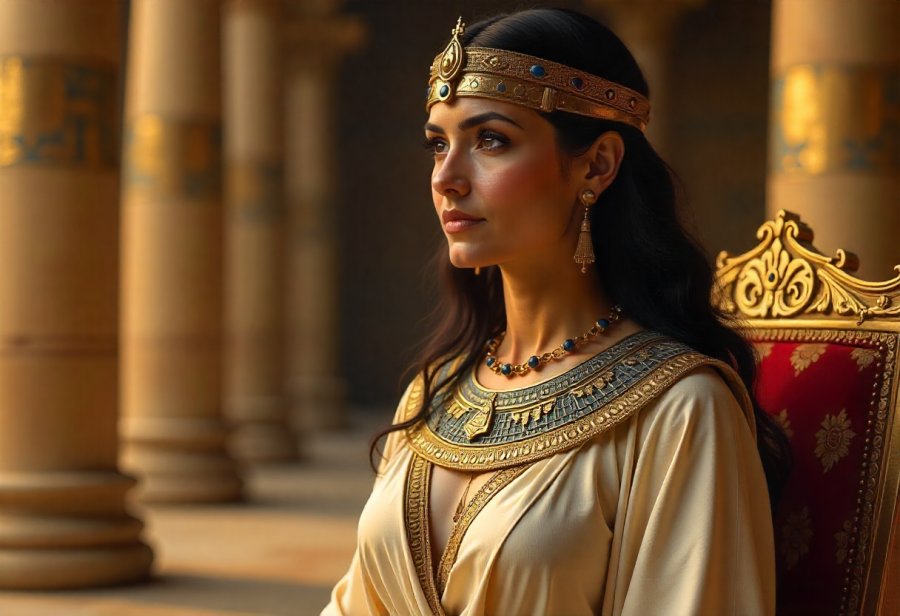
Unveiling Cleopatra’s Sharp Mind and Diplomatic Genius
Cleopatra VII is often remembered as Egypt’s last active ruler, but her significance extends far beyond the glamorous images of romance and allure. She was a sharp-minded strategist and a capable leader whose intelligence and diplomatic skill helped shape a critical period in history. Unlike many of her predecessors, Cleopatra’s strength lay in her ability to think critically, adapt swiftly, and navigate complex political landscapes with finesse.
Her leadership was rooted in her exceptional intellect. Fluent in Egyptian, Greek, Latin, and several other languages, she could communicate directly with a diverse array of leaders and scholars. This linguistic mastery was more than a cultural achievement; it was a diplomatic advantage that gave her influence in negotiations and alliances. Her scholarly pursuits—studying philosophy, science, and rhetoric—demonstrated her deep intellectual curiosity, which she used strategically to bolster her authority and independence.
Cleopatra understood that her power depended not just on military might, but on cultural intelligence and savvy diplomacy. She cultivated an image of divine authority rooted in Egyptian tradition, blending her Macedonian heritage with native customs to reinforce her legitimacy. Her ability to craft a compelling narrative and symbolism helped unify her diverse subjects and maintain loyalty across Egypt and beyond. This cultural fluency was vital in her efforts to preserve Egypt’s sovereignty amid external threats.
Her rise to power was a testament to resilience and strategic patience. Facing internal rivalries, betrayals, and external pressures from Rome, Cleopatra consistently chose her moments carefully. Her secretive meeting with Julius Caesar exemplifies her knack for timing—waiting for the right opportunity to turn potential threats into strategic advantages. Her calm demeanor amid chaos allowed her to adapt quickly and keep her grip on power, often transforming crises into opportunities.
At its core, Cleopatra’s story reminds us that true leadership often resides in the mind. Her ability to assess situations, leverage language, and forge alliances demonstrates that influence is rooted in insight and resilience. Her legacy challenges stereotypes, showing that intellectual strength and strategic thinking are as vital as traditional notions of power. Cleopatra’s leadership exemplifies how wisdom and adaptability can leave a lasting mark on history.
Navigating Egypt’s Tumultuous Political Landscape and Cleopatra’s Rise
Egypt’s political landscape during Cleopatra’s ascent was anything but stable. By her time, the Ptolemaic dynasty—established by Macedonian Greeks after Alexander the Great’s death—was already weakened by internal rivalries and power struggles. Rulers often prioritized their personal ambitions over the stability of Egypt, creating a fragile environment where factions vied fiercely for influence. The Ptolemies fused Greek customs with native Egyptian traditions, producing a unique but tense cultural identity that complicated governance and loyalty. Cleopatra inherited this complex backdrop, where internal factions and external threats constantly challenged her authority.
Her rise was far from straightforward. It was a calculated maneuver amid a web of rival factions and internal conflicts. Cleopatra came to power during a period of chaos, with her family’s control challenged from multiple sides. She navigated betrayals, shifting alliances, and internal betrayals with astute political skill. Recognizing that military strength alone wouldn’t guarantee her throne, Cleopatra focused on outthinking her enemies and forging strategic alliances. Rome’s growing dominance added external pressure, threatening Egypt’s independence and sovereignty.
In this turbulent environment, diplomacy became her most vital tool. Cleopatra’s leadership relied heavily on her ability to read her surroundings and respond with finesse. She understood early on that forging alliances with powerful Roman figures could secure her position. Her relationships with Julius Caesar and Mark Antony weren’t driven by vanity but by a strategic vision to preserve Egypt’s independence. Her mastery of language and culture enabled her to communicate directly with foreign leaders, building trust where others relied on force or coercion.
Culturally, Cleopatra embraced her Macedonian roots while positioning herself as an Egyptian pharaoh. She skillfully blended traditions, using religious symbolism and cultural resonance to reinforce her legitimacy. This cultural fluency allowed her to project authority across diverse audiences, unifying her people and maintaining loyalty even as external threats mounted. Her ability to adapt her image and messaging helped her craft a compelling narrative that resonated deeply with her subjects and allies alike.
Her rise was characterized by resilience and patience. Cleopatra knew that rushing into conflict could jeopardize her reign, so she waited for opportune moments. Her secretive meeting with Julius Caesar exemplifies her approach—timing and discretion were crucial to turning potential threats into opportunities. Her calmness amid chaos allowed her to stay ahead of her enemies, transforming crises into strategic advantages and laying the groundwork for her enduring influence.
Overall, Cleopatra’s ascent showcases her sharp political instincts and cultural intelligence. She turned a fragile, tumultuous environment into a platform for leadership, demonstrating that strategic thinking and diplomacy are often more effective than brute force. Her story highlights how mastery of timing, alliance-building, and resilience can shape history—lessons that remain relevant in navigating today’s complex political landscape.
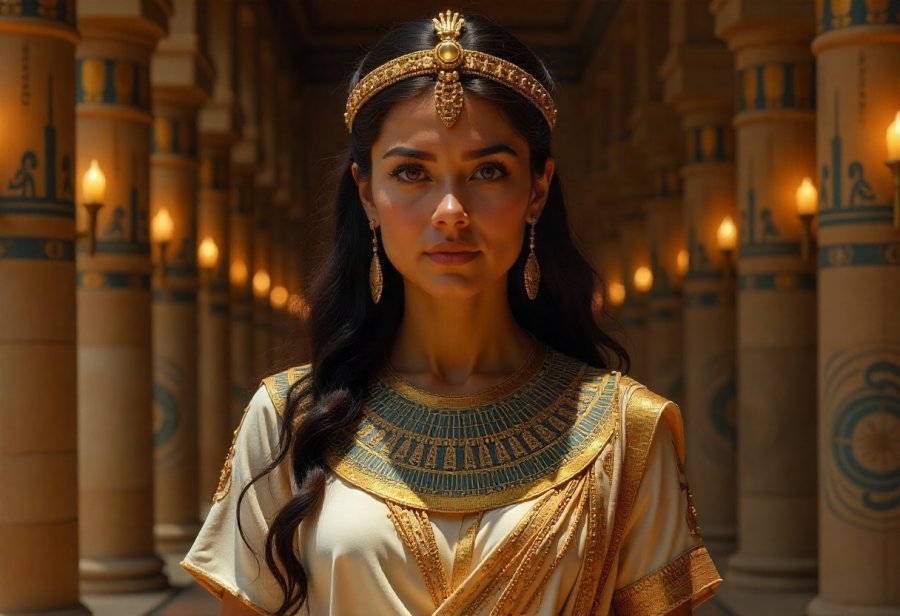
Mastering Strategy: Cleopatra’s Leadership in a Chaotic Era
Cleopatra’s leadership was defined by a blend of strategic insight, diplomatic finesse, and resilience that set her apart in a turbulent era. She possessed an extraordinary ability to assess her environment swiftly, identifying threats and opportunities with clarity. Whether confronting internal rivals or external powers like Rome, her decisions were rooted in a profound understanding of shifting political currents. She knew that military strength alone wouldn’t secure her reign; cultural intelligence and careful negotiation were equally vital tools in her arsenal.
Her diplomatic style was subtle yet powerful. Cleopatra excelled at reading her opponents and leveraging soft influence through language and cultural symbolism. Being multilingual, she communicated directly with foreign leaders, building trust and respect often elusive to her rivals. Her knowledge of philosophy, science, and rhetoric wasn’t just for personal edification but served as strategic tools to project authority and craft persuasive negotiations. She understood influence often stemmed from shared ideas and cultural resonance, allowing her to navigate complex relationships with finesse.
Decision-making under pressure became a hallmark of her rule. Cleopatra demonstrated patience and impeccable timing, waiting for the right moment to act rather than rushing into conflict. Her secretive meeting with Julius Caesar exemplifies her ability to seize opportunities through discretion and strategic patience. Her calm demeanor amid chaos helped her avoid impulsive mistakes and adapt swiftly to changing circumstances, often turning crises into moments that strengthened her influence. This composure and foresight kept her steps measured in a volatile political landscape.
Beyond her political maneuvers, Cleopatra cultivated her image as a divine figure rooted in Egyptian tradition, blending her Macedonian heritage with native customs. She understood that projecting a compelling narrative was essential for legitimacy and loyalty. Her charisma, combined with her intelligence, inspired devotion across diverse audiences. She knew that leadership was as much about storytelling and symbolism as it was about policy, using cultural resonance to unify her people and reinforce her authority.
Her influence extended beyond immediate political gains. Cleopatra exemplifies how strategic thinking, cultural fluency, and resilience shape a leader’s legacy. Her mastery in navigating chaos, forging alliances, and inspiring loyalty demonstrates that true power resides in insight and adaptability. Her ability to remain calm and deliberate under pressure allowed her to turn threats into opportunities, leaving a lasting mark on history. Her leadership offers timeless lessons on the importance of wisdom, patience, and cultural understanding in effective governance.
Applying Cleopatra’s Timeless Leadership Principles in Today’s Complex World
Cleopatra’s leadership principles remain remarkably relevant today, especially in environments characterized by rapid change and complexity. Her emphasis on understanding cultural contexts and adapting communication strategies echoes what we now call cultural intelligence—a vital skill in diplomacy, international business, and cross-cultural collaboration. Leaders who take the time to learn about different perspectives and tailor their messaging build trust more effectively and foster genuine partnerships, much like Cleopatra did with her allies and rivals alike.
Her strategic use of alliances offers another valuable lesson. Cleopatra recognized that influence and stability often stem from building authentic, mutually beneficial relationships rather than relying solely on authority or force. This approach of soft power—trust, credibility, and relationship-building—continues to underpin successful leadership in today’s interconnected world. Whether negotiating trade deals or diplomatic agreements, understanding others’ motivations and practicing patience can turn potential adversaries into allies, replicating Cleopatra’s mastery of alliance-building.
Resilience and patience are also central to her leadership toolkit. Cleopatra knew that rushing decisions could backfire, so she carefully timed her actions and waited for opportune moments. This calm, measured approach is crucial in high-stakes scenarios where impulsive moves often lead to setbacks. Leaders who emulate her ability to assess risks with clarity and maintain emotional resilience tend to navigate crises more effectively, transforming challenges into opportunities for growth and influence.
Additionally, Cleopatra’s mastery of storytelling and symbolism offers a powerful lesson. She crafted a compelling narrative around her divine right and cultural identity, reinforcing her legitimacy and inspiring loyalty. Today’s leaders can harness this skill by communicating a clear, resonant vision that unifies and motivates their teams. Whether through branding, messaging, or public engagement, creating a strong narrative helps shape perceptions and build long-lasting influence, much like Cleopatra’s strategic use of cultural symbolism.
Ultimately, her success was rooted in substance—her intelligence, strategic insight, and cultural savvy—not superficial charm. Cleopatra exemplifies how authentic influence depends on continuous learning, preparation, and adaptability. Developing cultural fluency and honing strategic thinking are ongoing processes that strengthen leadership. By embodying these qualities, modern leaders can build lasting impact, just as Cleopatra did in her turbulent but influential reign.
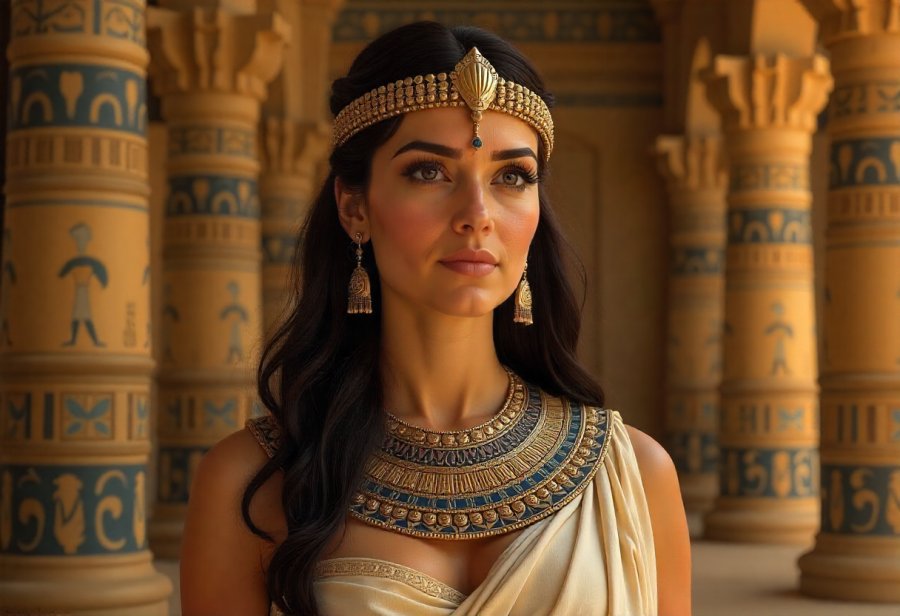
Her Enduring Legacy: Lessons from Cleopatra’s Intelligence and Resilience
Cleopatra’s legacy stretches far beyond her romanticized image, rooted instead in her extraordinary intelligence, strategic insight, and resilience. She demonstrated that true power in leadership comes from knowledge and cultural fluency—qualities that allowed her to navigate a turbulent landscape and preserve Egypt’s independence. Her diplomatic finesse and ability to forge vital alliances show that influence built on substance can endure through centuries, challenging outdated stereotypes about female rulers and highlighting the importance of intellectual strength in leadership.
Today, Cleopatra’s story continues to inspire leaders across fields, reminding us that insight and resilience are crucial for lasting impact. Her mastery of multiple languages, scholarly pursuits, and diplomatic skill exemplify the value of education and cultural understanding—traits often undervalued but essential for effective influence. Her resilience amid internal rivalries and external threats underscores the importance of patience, strategic planning, and emotional fortitude—lessons that remain relevant in modern diplomacy, business, and community leadership.
Her talent for crafting compelling narratives and symbols helped reinforce her legitimacy and inspire loyalty, offering a timeless lesson in storytelling. Modern leaders can learn from her ability to shape perceptions and create unifying messages that resonate deeply with diverse audiences. Whether through branding, public messaging, or diplomatic communication, the power of a well-crafted narrative can build trust and influence, much like Cleopatra’s use of cultural symbolism and messaging to maintain her authority.
What sets Cleopatra apart is that her success was rooted in substance—her intelligence, strategic thinking, and cultural savvy—rather than superficial charm. Her example reminds us that authentic influence depends on continuous learning, preparation, and the ability to respond swiftly to changing circumstances. Developing cultural fluency and honing strategic insight are ongoing processes that strengthen leadership and enable us to leave a lasting mark, just as Cleopatra did in her turbulent but impactful reign.
Her life challenges us to view leadership as a blend of wisdom, adaptability, and cultural awareness. Cleopatra’s ability to turn chaos into opportunity highlights the timeless value of insight and resilience. Her legacy encourages current and future leaders to prioritize substance over superficiality, emphasizing that true influence stems from a well-informed mind and strategic patience. In doing so, her story continues to serve as a powerful reminder that lasting impact is built on the strength of the mind.