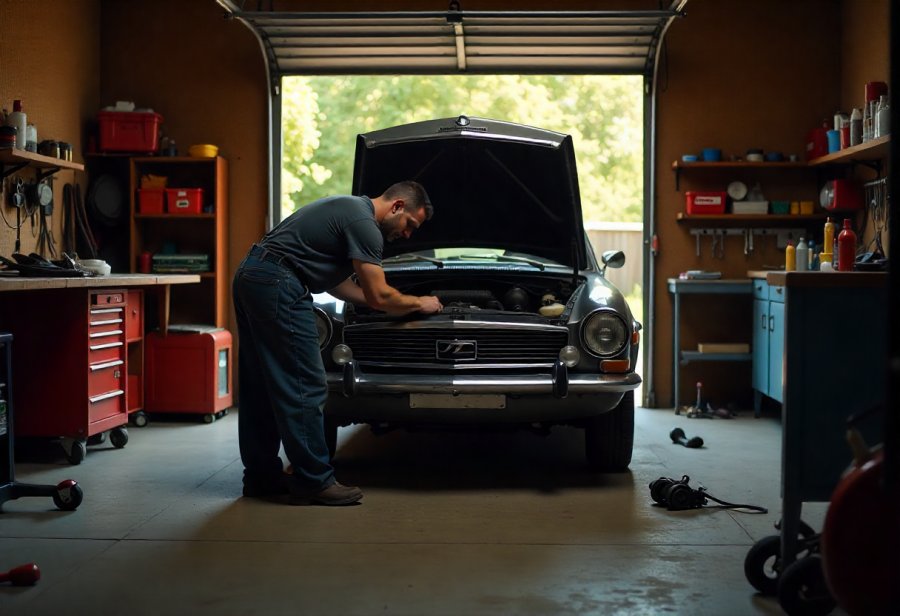
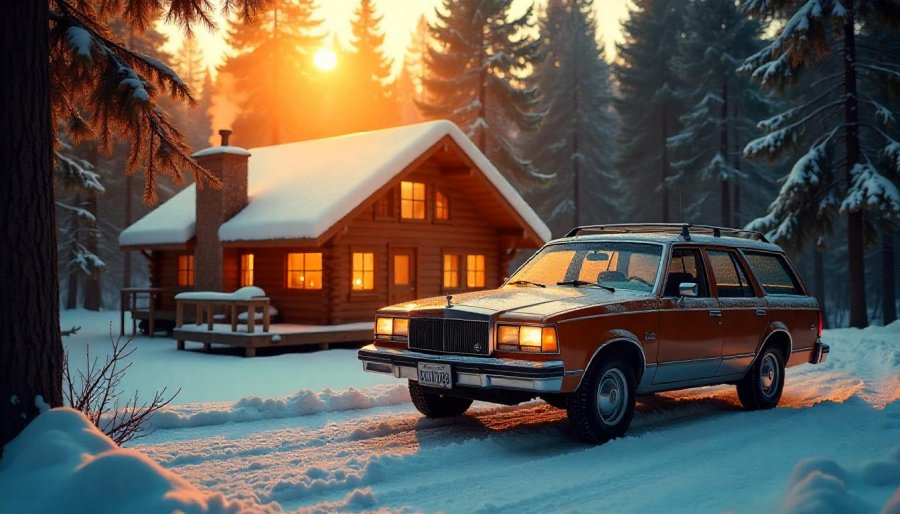
Step into the roaring world of 1970s American muscle cars with the Chevrolet SS—a symbol of raw power, bold design, and rebellious spirit. From the thunderous 454 V8 engine to its striking Hugger Orange finish, this era-defining machine embodies speed and swagger, capturing a culture defined by freedom and innovation. But beyond its eye-catching aesthetics lies a complex legacy—celebrated for its performance, yet challenged by environmental concerns and high restoration costs. Today, enthusiasts and collectors keep the legend alive through restorations, car shows, and media stories that evoke nostalgia and pride. As modern automotive design draws inspiration from these classics, the question remains: can the spirit of the muscle car endure in an age of sustainability? The Chevrolet SS’s timeless influence continues to inspire a new generation, blending history with the future—making it impossible not to feel drawn into its relentless roar and enduring swagger.
The Iconic Rise of the 1970s Chevrolet SS: Power, Style, and Cultural Significance
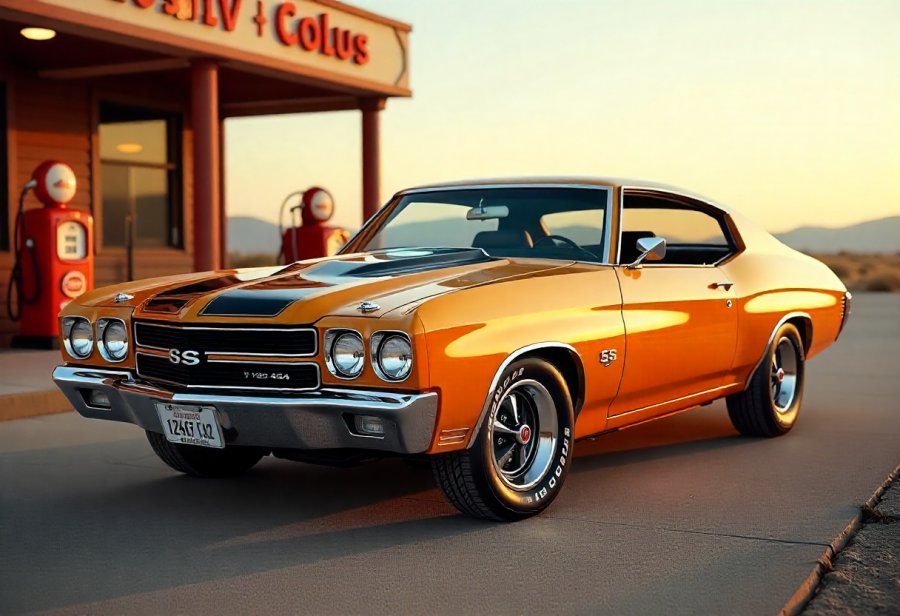
The 1970s Chevrolet SS stands as a standout symbol of American muscle car ambition, capturing the essence of an era defined by powerful design and unbridled performance. These vehicles weren’t just modes of transportation; they were expressions of freedom, rebellion, and style on wheels. The Chevelle SS 454, in particular, became legendary for its thunderous 454-cubic-inch V8 engine, producing up to 450 horsepower. This raw power delivered blistering acceleration and a distinctive roar that announced its presence. During this decade, muscle cars like the Chevrolet SS defined a cultural movement—embodying pride, speed, and innovation. Today, these cars remain iconic icons of American automotive history, still inspiring enthusiasts and collectors alike.
Muscle Car Nostalgia: The Chevrolet SS as an American Symbol of Rebellion
The Chevrolet SS of the 1970s isn’t just a car; it’s a powerful symbol that sparks deep emotional connections. Its thunderous engine roar and striking design evoke memories of an era when driving was about freedom, rebellion, and self-expression. For enthusiasts, these vehicles embody American ingenuity and the relentless pursuit of performance, making them more than just machines—they represent a way of life. Hearing the deep growl of a vintage Chevy SS can instantly transport someone back to a time when speed and style were paramount. This emotional resonance is what keeps the legacy alive, turning these cars into enduring icons of American horsepower and cultural pride.
Contrasts and Conflicts: Navigating the Legacy of the Muscle Car Era
The legacy of muscle cars like the Chevrolet SS faces ongoing debate today, reflecting both admiration and concern. While enthusiasts celebrate their raw power and iconic styling, critics raise environmental and safety issues. These vintage machines, with their large engines, often clash with modern emissions standards and fuel efficiency goals, making preservation more complicated. Restoring these cars can be prohibitively expensive, as sourcing authentic parts and skilled labor push costs skyward. Some see them as relics of a less responsible era, while others regard them as valuable pieces of American automotive history worth safeguarding. This divide fuels ongoing conversations about their role in today’s environmentally conscious world.
Debating Relevance: Environmental Concerns vs. Cultural Pride in Muscle Cars
The debate over the relevance of muscle cars like the Chevrolet SS today often centers on their environmental impact. Critics point out that these vintage machines, with their large engines and high emissions, are increasingly out of step with modern sustainability goals. As regulations tighten, owners face costly modifications or engine swaps to meet current standards, which can compromise the cars’ original character. Conversely, many enthusiasts see these vehicles as cultural icons worth preserving, regardless of their environmental footprint. They emphasize that muscle cars represent a crucial chapter in automotive history and deserve protection as part of America’s engineering legacy. This tension reflects society’s broader shift toward greener transportation, challenging the future of these powerful classics.
Reviving the Past: Modern Enthusiasm and Preservation of Muscle Car Heritage
Today, interest in the muscle cars of the 1970s, especially the Chevrolet SS, is stronger than ever. Car enthusiasts, collectors, and media outlets play a key role in keeping this heritage alive. Restoring vintage models allows fans to reconnect with the golden age of American horsepower and experience the thrill of these powerful machines firsthand. Car shows dedicated to muscle cars draw large crowds eager to see these legends in action, celebrating their bold design and roaring engines. Media coverage through magazines, documentaries, and social media spreads their story far and wide, inspiring new generations to appreciate and preserve this iconic era. These efforts ensure that the spirit of muscle cars remains vibrant and relevant today.
Challenges of Restoration: Rising Costs and Emission Standards
Restoring a vintage muscle car like the Chevrolet SS often comes with a hefty price tag. As parts become scarcer and more specialized, costs for authentic components can skyrocket, making full restorations a significant financial commitment. Finding original or period-correct parts requires time and sourcing from niche suppliers, driving expenses even higher. Skilled labor is essential for engine rebuilds and bodywork, further increasing the bill. Modern emissions standards pose a major challenge; many big-block engines don’t meet current regulations without costly modifications that can alter their original character. Balancing authenticity with compliance often demands extensive and expensive upgrades, testing the limits of enthusiasts’ budgets.
Evolving Perceptions: How Modern Culture Views Muscle Cars Today
Today, perceptions of muscle cars like the Chevrolet SS are shifting beyond their reputation for raw power and vintage appeal. While their muscular lines and roaring engines still evoke nostalgia, many see these vehicles through a more nuanced lens. Some enthusiasts celebrate them as symbols of American ingenuity and rebellious spirit, emphasizing their bold design and historical significance. Others view them as relics that no longer fit into modern environmental standards, pointing to their high emissions and fuel consumption. This evolving perspective reflects society’s broader priorities—moving toward sustainability and safety—yet it doesn’t diminish the admiration for their craftsmanship and cultural legacy. Instead, it sparks a deeper appreciation of these machines as icons that challenge and inspire future automotive innovation.
Legacy in Motion: Influences of the Chevrolet SS on Contemporary Automotive Design
The influence of the 1970s Chevrolet SS extends well beyond its era, shaping modern automotive design in subtle yet powerful ways. Its muscular lines, aggressive stance, and distinctive styling cues continue to inspire contemporary muscle cars, blending vintage aesthetics with today’s performance standards. Many new models incorporate elements like wide wheel arches, racing stripes, and bold hoods that pay homage to that golden age of American horsepower. Culturally, the spirit of the Chevy SS persists in media, car shows, and custom builds, fueling nostalgia while encouraging innovation. This legacy pushes designers to create vehicles that capture the raw energy and rebellious attitude of the original, ensuring the muscle car’s enduring appeal in today’s automotive landscape.
Muscle Cars Today: Enthusiast Communities, Media, and Cultural Persistence
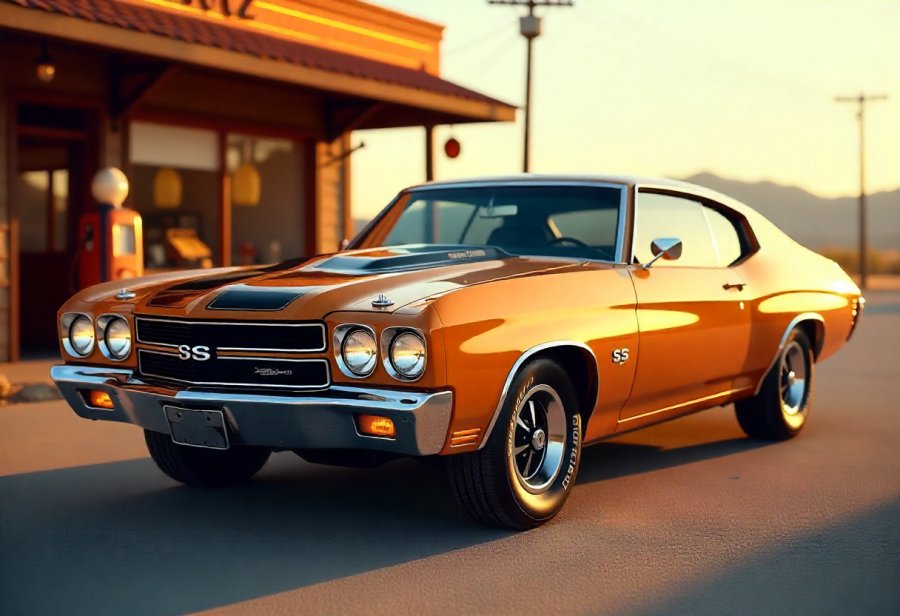
Today, the passion for muscle cars like the Chevrolet SS remains vibrant, driven by a dedicated community of enthusiasts and collectors. Car shows celebrating vintage models continue to draw large crowds eager to witness these legendary machines in action. These events serve as gatherings where stories are shared, restoration tips are exchanged, and the culture is kept alive. Media outlets—magazines, documentaries, and social media—play a vital role in spreading the legacy, inspiring new fans to appreciate the raw power and style of these cars. Every photo, story, and restored model fuels a sense of continuity, ensuring that the spirit of muscle cars endures across generations. This ongoing enthusiasm keeps the muscle car culture dynamic and relevant today.
Shaping the Future: Legislation, Industry Trends, and Vintage Car Preservation
The legacy of the 1970s Chevrolet SS has profoundly influenced automotive legislation and industry trends. As emissions and safety standards grew stricter, manufacturers had to innovate, developing cleaner engines and integrating advanced safety features. These regulatory shifts transitioned muscle cars from pure performance icons to more regulated, consumer-focused vehicles, shaping design and engineering across the industry. Car clubs dedicated to vintage models emerged as crucial custodians of this heritage, fostering communities that celebrate restoration and history. Their efforts have helped preserve the spirit of that era, guiding modern manufacturers toward balancing performance with environmental responsibility. This ongoing influence continues to shape consumer expectations and industry practices today.
Measured Success: Market Trends and Cultural Impact of the Chevrolet SS
Vintage Chevrolet SS models from the 1970s continue to perform strongly in the collector market, with recent sales reflecting steady growth in value. Well-preserved and expertly restored examples often command premium prices, underscoring their enduring appeal and cultural significance. Restoration rates remain high among dedicated enthusiasts, who invest substantial time and resources to bring these cars back to their original glory. Online communities and social media platforms showcase a surge in engagement, with owners sharing projects and tips, fueling renewed interest. Car shows focused on muscle cars consistently attract large crowds, emphasizing the ongoing fascination with these icons. These trends highlight the Chevrolet SS’s status as a prized classic with a lasting legacy.
Hidden Influences: Design Philosophy and Nostalgia Marketing Driven by the Chevrolet SS
The influence of the Chevrolet SS era extends beyond its immediate era, subtly shaping modern automotive design philosophy. Car manufacturers leverage the muscle car’s bold lines and aggressive stances to evoke nostalgia, blending vintage aesthetics with contemporary innovation. Retro-inspired branding, colors, and styling cues tap into emotional connections, making vehicles feel authentic and rooted in tradition. This nostalgic marketing strategy goes beyond mere visuals; it creates a sense of heritage that resonates deeply with audiences. As a result, design approaches often incorporate muscular contours and racing-inspired details, subtly reinforcing the legacy of power and rebellion. These influences foster a cultural bridge that keeps the spirit of muscle cars alive in today’s automotive landscape.
Reflecting on a Legend: The Enduring Legacy of the 1970s Chevrolet SS
The Chevrolet SS of the 1970s embodies more than just raw power and eye-catching design; it represents a defining moment in American automotive history. Its thunderous engines and bold styling captured the spirit of an era driven by rebellious energy and innovative craftsmanship. These cars symbolize pride, independence, and the relentless pursuit of performance, leaving a legacy that still influences the muscle car scene today. Their cultural significance extends beyond nostalgia, inspiring modern designs and fueling enthusiast communities worldwide. The enduring appeal of the Chevrolet SS reminds us that true icons are timeless—continually shaping our appreciation for boldness, ingenuity, and the unyielding quest for speed. In celebrating this legacy, we preserve a vital chapter of American innovation and performance.
Power Meets Style: The Chevrolet SS as a Symbol of Performance and Design
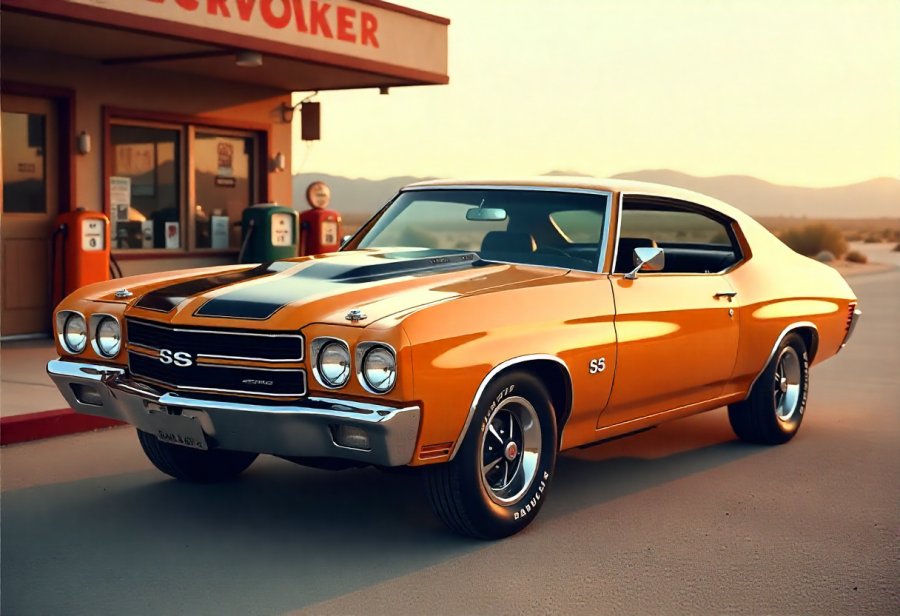
The essence of the Chevrolet SS lies in its seamless fusion of power and style, establishing it as a true icon of the muscle car era. Its muscular lines and aggressive stance immediately convey a sense of speed and dominance, even at a standstill. Wide wheel arches and bold hood stripes highlight its performance roots, turning heads wherever it appears. Beneath the surface, the legendary 454 V8 engine delivered up to 450 horsepower, ensuring raw power with every press of the accelerator. This combination of striking design and formidable performance captures the rebellious spirit and innovative craftsmanship that defined the golden age of muscle cars. It remains a symbol of American ingenuity and automotive excellence.
Legacy and Innovation: The Future of Muscle Car Culture and Design
The legacy of the 1970s Chevrolet SS continues to shape modern muscle car culture in profound ways. Its bold design and unbridled performance set a standard that still influences contemporary models, blending vintage aesthetics with cutting-edge technology. Manufacturers draw inspiration from its muscular lines, aggressive stance, and racing-inspired details, creating retro-styled vehicles that evoke nostalgia while meeting today’s standards. Enthusiast communities and media outlets keep the spirit alive through restorations, car shows, and storytelling, ensuring the era’s impact endures. This ongoing reverence fuels innovation, pushing designers to honor the past while embracing future possibilities. The Chevrolet SS’s influence remains a driving force, reminding us that true American muscle never truly fades away.
Get Involved: Exploring, Preserving, and Celebrating Muscle Car Heritage
If you’re passionate about the legacy of the 1970s Chevrolet SS, now is a perfect time to get involved. Restoring a vintage muscle car isn’t just about holding onto history; it’s about connecting with a community that shares your enthusiasm for American horsepower. Attending local car shows or joining online forums offers a great starting point—tips, stories, and camaraderie await. Sharing your restoration journey can inspire others and keep the culture thriving. Consider volunteering at automotive museums or participating in club events to deepen your understanding and appreciation. Every effort you make helps preserve this iconic era, ensuring the spirit of muscle cars continues to inspire future generations.
Enduring Inspiration: The Long-term Cultural Impact of the Muscle Car Era
The muscle car era of the 1970s left a lasting imprint on automotive design and culture that endures today. Its bold, muscular lines and aggressive stances continue to influence modern performance vehicles, blending vintage aesthetics with cutting-edge technology. Car makers often draw inspiration from these classics, creating retro-styled models that evoke nostalgia while meeting contemporary standards. Enthusiast communities and media outlets keep the spirit alive through restorations, car shows, and storytelling, ensuring the era’s legacy remains vibrant. This ongoing reverence fuels innovation, pushing designers to honor the past while exploring new frontiers. The influence of these iconic machines reminds us that true American muscle embodies more than just power—it’s a symbol of timeless rebellion and creativity.