What if mastering swimming at any age could unlock a new realm of confidence, safety, and joy? This inspiring exploration challenges the notion that water skills are reserved for the young, emphasizing that adults can overcome fears and embrace the water through patience, support, and practical steps. From initial shallow-end splashes to confident strokes, the journey transforms water from a source of anxiety into an empowering space of growth. With innovative tools like virtual reality and a shift toward empathetic instruction, learning becomes more accessible and personalized. But what about the psychological barriers—fear, past negative experiences, and misconceptions—that hold many back? This guide reveals that overcoming these hurdles is possible at any stage, turning water from a threat into a lifelong ally. Are you ready to take that first courageous leap? Because the potential for transformation is just a splash away.
Embrace Water at Any Age: Transform Fear into Confidence
Learning to swim isn’t just a childhood milestone; it’s a skill that can be mastered at any age. Whether you’re in your twenties, fifties, or beyond, the idea that it’s “too late” to learn is simply a misconception. Many adults find that taking up swimming later in life is surprisingly empowering. It opens doors to new experiences, boosts your physical health, and provides a sense of freedom that many never imagined possible in the water.
For many grown-ups, the thought of stepping into a pool for the first time can feel intimidating. Past fears, negative experiences, or just avoiding water altogether might make the idea seem overwhelming. But that hesitation is normal. The key is understanding that water confidence isn’t reserved for the young or athletic—it’s a skill that anyone can develop through patience, consistent effort, and supportive guidance.
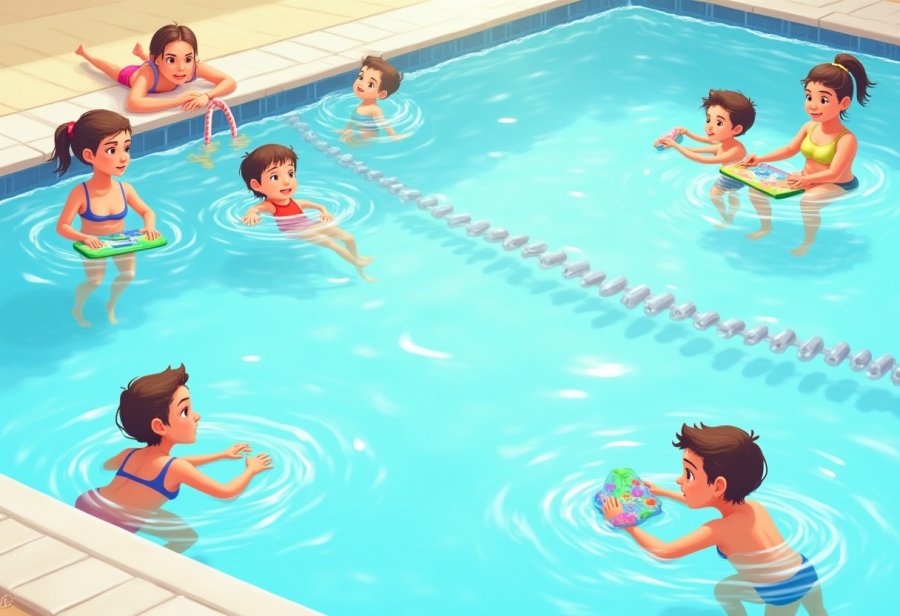
Starting small is often the best approach. Getting comfortable in shallow water, practicing breathing exercises, or simply splashing around can help ease nerves. These initial steps aren’t just about physical skills—they’re about building trust in yourself and the environment. Every little victory, like floating or entering the water calmly, reinforces that you’re capable of more than you might think.
Many adults discover that their fears come from misconceptions or past experiences rather than real danger. As they learn water safety and proper techniques, those fears begin to fade. Replacing anxiety with knowledge and hesitation with confidence often leads to surprising breakthroughs. This process transforms water from a source of worry into a space of growth and empowerment.
Learning to swim as an adult is a journey of mindset as much as technique. It’s about embracing change, celebrating small wins, and trusting the process. With patience, support, and a willingness to take that first brave step, water can become a place of freedom, confidence, and lifelong joy.
Fundamentals of Safe and Confident Swimming: Overcoming Psychological Barriers
Learning to swim is not just about moving your arms and legs in the water; it’s about understanding some key principles that lay the groundwork for safe and confident swimming. Water safety is the first pillar—knowing how to identify safe environments, recognize the importance of supervision, and respond appropriately in emergencies can make all the difference. Being aware of potential hazards and respecting your limits helps build trust in your abilities and reduces anxiety, allowing you to focus on learning rather than worrying.
Addressing psychological barriers is equally important. Many adults carry fears of drowning, feeling out of control, or negative past experiences that create mental hurdles. These fears often stem from misconceptions or unfamiliarity rather than real danger. Breaking these mental barriers involves gradual exposure, positive reinforcement, and supportive instruction that help reframe fear into curiosity and confidence. Techniques like deep breathing, visualization, and relaxation exercises can calm nerves and foster a sense of control in the water.
Understanding water’s role throughout history adds perspective and motivation. Cultures worldwide have long valued water for survival, celebration, and community. From ancient civilizations to modern times, swimming has been seen as a vital skill—something worth mastering for safety and enjoyment. Recognizing this long tradition reminds learners that water confidence isn’t a modern luxury but a timeless human skill, connecting us to a broader history of mastery and respect.
Feeling safe begins with feeling familiar. Starting in shallow water, practicing breathing, and getting comfortable splashing around helps demystify the water’s sensations. Tools like kickboards or goggles can make initial encounters less intimidating, giving you a sense of control. Each small step—floating, entering deeper water, or breathing calmly—builds trust and prepares you for more advanced skills.
Progress in water confidence depends on patience and consistency. It’s normal to face setbacks; some days will be easier than others. Celebrating small victories, like floating unaided or calmly entering a deeper part of the pool, reinforces your growing trust. Repeating these foundational actions helps your body and mind adapt, making water less threatening and more inviting.
Practicing safety is a continuous priority. Always swim in designated, supervised areas, and never push your limits beyond what feels comfortable. Using floatation aids when needed provides reassurance and support. Trust your instructor’s guidance and focus on gradual progress. Remember, learning to swim is a journey, not a race—each small effort counts toward building lasting confidence.
Deep breathing exercises and visualization can be powerful tools in this process. Imagining yourself floating effortlessly or swimming smoothly helps mental preparation. Calm, focused breathing reduces anxiety and enhances relaxation, making it easier to stay centered in the water. Supportive environments—whether through friends, instructors, or community groups—create safe spaces where experimentation and growth are encouraged.
Every step forward, no matter how small, contributes to your overall confidence. Embrace the process, celebrate your efforts, and recognize that persistence is key. With time, patience, and support, water transforms from a source of fear into a space of strength and joy. Building these foundational skills sets the stage for a lifelong relationship with swimming—a journey toward freedom, safety, and empowerment in the water.
The Confidence Build: Strategies and Success Stories in Water Mastery
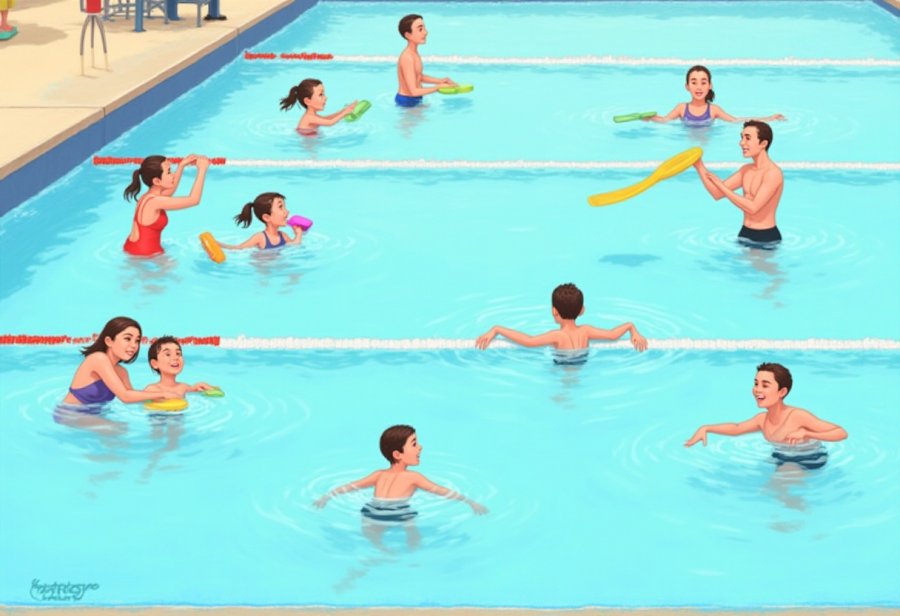
Building water confidence happens gradually, with each small step reinforcing your trust in the water and in yourself. Starting in shallow areas, spend time relaxing and focusing on steady breathing. These gentle practices help reduce anxiety and create a sense of control. As you become more comfortable, simple actions like floating, blowing bubbles, or kicking with a kickboard serve as powerful confidence builders, proving to yourself that you can handle the water’s sensations.
Supportive instruction plays a crucial role. An instructor who celebrates every tiny victory—whether floating unaided or entering the water calmly—can reshape your mindset from fear to curiosity. These positive experiences help reframe water from a threat to a space of growth. Over time, repeated exposure to these manageable challenges fosters resilience and a stronger belief in your abilities.
Research confirms that patience and positive reinforcement accelerate confidence-building. When adults see their progress—like swimming a few strokes or floating longer—they start feeling more in control. Personal stories, like Lisa’s journey from terror to floating confidently, illustrate how persistence and encouragement turn water fears into skills. Recognizing setbacks as part of the process keeps motivation high and helps you stay committed.
It’s also vital to learn to accept discomfort as part of growth. Each visit to the pool, even if brief or imperfect, steadily chips away at fear. Celebrating these efforts, rather than fixating on perfection, builds a resilient mindset. Visualization and deep breathing are tools that calm nerves and prepare your mind for success, making each encounter with water less intimidating.
Creating a safe, supportive environment is key. Whether through friends, instructors, or community groups, feeling supported encourages experimentation and risk-taking. Repeating foundational skills like floating or breathing calmly helps your body and mind integrate new habits, making water feel more familiar and inviting.
Expect setbacks—they’re natural. Some days will be easier than others, but that’s part of the journey. Each small victory, like entering deeper water without panic or floating unaided, adds to a foundation of trust. Over time, these moments accumulate, transforming water from a source of worry into a space of confidence and joy.
Trust in your persistence and patience. Confidence in the water isn’t built overnight; it’s forged through repeated, positive experiences. As fears give way to skills, swimming becomes not just a safety measure, but a source of empowerment. With consistent effort and support, water evolves from a barrier into a place of discovery, strength, and lifelong joy.
Taking Action: Practical Steps to Learn and Love Swimming
Starting your journey to learn how to swim involves taking small, deliberate steps that gradually build your confidence. Begin in the shallow end of the pool, where you can stand comfortably and feel secure. Spend time splashing around, practicing your breathing, and getting accustomed to the sensation of water on your face and skin. Using tools like kickboards or goggles can make these initial experiences less intimidating, giving you a sense of control and reducing anxiety. The goal is to create positive, low-pressure encounters with water that lay a solid foundation for more advanced skills.
Choosing the right instructor or program can make a big difference. Look for someone patient, supportive, and experienced with adult learners. An instructor who understands common fears and emphasizes safety can guide you through each step at your own pace. Breaking skills into simple actions—like floating, kicking, and breathing—makes progress feel achievable. Focus on small wins, such as floating for a few seconds or entering deeper water calmly, instead of rushing toward bigger milestones.
As you gain confidence, slowly challenge yourself by venturing into slightly deeper water, always within your comfort zone. Practice steady, deep breathing to stay calm and focused. This not only helps manage nerves but also relaxes your body, making each movement more natural. Remember, setbacks are normal; some days will feel easier than others. The key is consistent effort and acknowledging every small improvement, no matter how minor, as a step forward.
Safety should always be your top priority. Swim in designated, supervised areas and avoid pushing beyond your limits. Floatation aids like kickboards or floaties can provide reassurance as you build skills. Trust your instructor’s guidance and don’t rush the process—learning to swim is about steady progress, not perfection. Recognize your efforts and celebrate each step, knowing that persistence will turn water from a source of fear into a space of growth.
Practice regularly with short, consistent sessions rather than sporadic, lengthy ones. Repetition helps your body and mind adapt, making each movement feel more natural and less intimidating. Over time, this routine will help you develop trust in your abilities, transforming water from a potential threat into a place of confidence and joy. Remember, it’s about progress, not perfection—each session brings you closer to mastery.
This journey is about trusting yourself enough to keep trying. Every splash, breath, and float reinforces your ability to face fears and grow stronger. Celebrate small victories, like floating unaided or entering deeper water calmly, and know that persistence pays off. As your fears diminish, swimming becomes more than just a necessary skill—it becomes a source of freedom, health, and happiness. With patience and support, you can turn water from a barrier into a lifelong ally.
Looking Ahead: Innovations and Inspiration for Lifelong Water Confidence
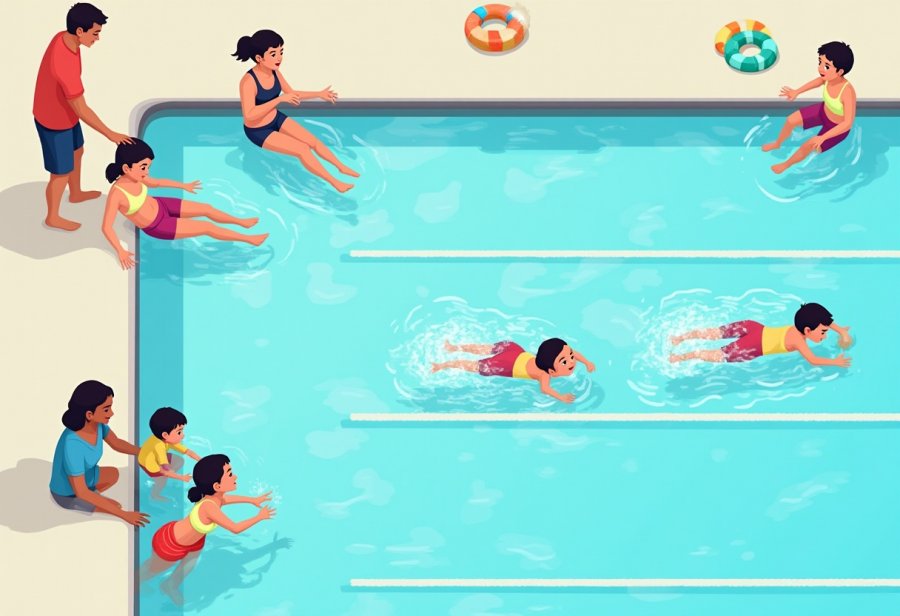
The future of adult swimming education is looking brighter than ever, driven by innovations that make water confidence more accessible and personalized. Virtual reality training and interactive apps allow learners to practice techniques in a comfortable, private setting before stepping into the pool, reducing anxiety and building trust gradually. These tools complement traditional lessons by offering a way to familiarize oneself with water sensations at one’s own pace, making the journey less intimidating and more engaging.
At the same time, a growing emphasis on emotional well-being and confidence-building is reshaping how instructors approach adult learners. More programs now prioritize creating supportive, empathetic environments where fears are acknowledged and progress is celebrated, no matter how small. This shift recognizes that overcoming water anxiety is as much about mindset as it is about technique, fostering resilience and a positive attitude toward learning. Such approaches help make swimming a lifelong source of empowerment, safety, and joy.
Despite these advancements, barriers like deep-seated fears, limited access to facilities, or financial constraints still exist for many adults. Addressing these challenges requires ongoing efforts to expand inclusive, affordable programs and flexible scheduling options. Community initiatives and outreach can help reach underserved groups, ensuring that everyone has the opportunity to experience the benefits of water confidence. Combining technological innovation with compassionate support creates a more equitable path toward lifelong swimming skills.
What remains clear is that it’s never too late to learn. The core principles of patience, persistence, and support continue to guide successful journeys, regardless of age or background. As new methods and tools emerge, they serve to reinforce rather than replace the fundamental message: each small step forward is a victory. When adults believe in their capacity to overcome fears, water transforms from a source of worry into a space of growth and discovery, opening doors to health, fun, and freedom.
In the end, the ongoing evolution of adult swimming education promises a future where more people can unlock their potential in the water. With the right mindset, resources, and community support, swimming becomes not just a skill but a lifelong source of confidence and happiness. Every effort made today helps turn water from an obstacle into an opportunity—empowering adults to embrace their fears, conquer new challenges, and enjoy the endless benefits that come with being comfortable in the water.